Clinical-grade surgical dressings, zinc oxide adhesive carriers, and high-tensile fixation systems from our GMP facility.
Understanding radiant heat loss prevention and the physiological role of metallized films in combatting hypothermia.
Accidental hypothermia is a major cause of mortality in trauma care and surgical recovery contexts. In emergency medicine, hypothermia triggers the "Lethal Triad" (hypothermia, acidosis, and coagulopathy), which severely decreases survival rates. A CE-certified thermal blanket acts as a barrier to halt the heat loss cycle by reflecting up to 90% of emitted radiant body heat back to the patient. By deploying advanced polyethylene terephthalate (PET) metallized films, healthcare providers minimize convective cooling and suppress evaporative moisture loss, maintaining core temperature stability under critical stress conditions.
Thermal insulation in emergency foil blankets depends on physical vapor deposition (PVD). A thin layer of high-purity aluminum is deposited on a strong PET base in a vacuum environment. This creates an optical mirror finish with low emissivity (e < 0.05). By minimizing radiant emission, the blanket acts as an electromagnetic shield against infrared heat escape. Concurrently, the non-porous structure acts as a windproof and waterproof shield, preventing wind chill and water ingress from accelerating conductive heat loss.
The progression of physical vapor deposition (PVD) barrier technologies and multi-layered therapeutic configurations.
Conventional single-layer reflective foil can tear easily when used in rugged rescue operations. The current technical roadmap focuses on utilizing bi-axially oriented polyester (BoPET) substrates. These offer high tensile strength and tear propagation resistance along both axes, meeting rigorous military and first-responder guidelines.
To address the challenge of condensation build-up inside impermeable Mylar covers, modern engineering focuses on combining non-woven polypropylene fibers with micro-perforated metallized layers. This design allows sweat vapor to escape while maintaining high radiant heat reflection, preventing surface cooling in post-op recovery rooms.
With global healthcare operations shifting toward net-zero targets, research and development departments are formulating compostable, plant-based PLA polymer bases. These new formulations provide equivalent tensile properties and low-emissivity profiles to standard petro-polyesters, reducing clinical carbon footprints.
Tailoring thermodynamic properties to meet the specific requirements of emergency services, defensive agencies, and clinical institutions.
Hypothermia is a common complication of general anesthesia. Medical thermal blankets maintain normal body temperature (normothermia) before, during, and after surgical procedures. They prevent metabolic disruptions and reduce surgical site infection risks, supporting clinical pathways and improving patient recovery outcomes.
In military operations, hypothermia can develop rapidly due to blood loss and exposure. Military-grade tactical blankets feature low-visibility exterior coatings (such as olive drab or desert tan) combined with reflective internal laminates. This helps maintain patient thermal stability while complying with field camouflage requirements.
For large-scale emergency relief following natural disasters, supply chain efficiency is critical. Lightweight, vacuum-sealed thermal blankets allow logistics teams to transport high-density cargo options quickly. This ensures that thousands of rescue units can be shipped and distributed rapidly in severe weather zones.
Municipal emergency preparedness kits for subways, high-altitude mines, and heavy manufacturing sites require durable emergency blankets. These blankets must comply with regional fire-retardant standards (such as Class 1 flammability classifications) to ensure safety in hazardous industrial environments.
A deep dive into Hebei Nexus Medical Co., Ltd.'s modern manufacturing infrastructure and strategic logistics network.
Hebei Nexus Medical Co., Ltd. operates a modern 40,000-square-meter facility in the Xincheng Industrial Cluster, Linzhang County, Hebei Province. This location provides convenient access to major shipping ports like Tianjin and Qingdao via the adjacent Handa Expressway, ensuring reliable international logistics and short delivery times.
Our manufacturing lines operate under strict quality management systems in compliance with ISO 13485. The clean workshops and quality inspection centers adhere to international Good Manufacturing Practices (GMP), maintaining strict hygiene, air-filtration, and quality control standards at every stage of production.
Supported by a dedicated workforce of 300 skilled employees, our research and development team focuses on material innovation, customized laminations, and functional packaging solutions. We collaborate closely with global partners to design and develop products tailored to specific market requirements.
A guide to regulatory standards and import requirements for international procurement managers.
Under the European Union Medical Device Regulation (MDR 2017/745), thermal blankets used to treat clinical hypothermia are classified as Class I medical devices. Importers must ensure that manufacturers provide comprehensive Technical Documentation, including biological evaluation reports (ISO 10993) and EC declarations of conformity. Hebei Nexus Medical Co., Ltd. provides complete documentation to support smooth regulatory registration and customs clearance in the European Union.
For the North American market, manufacturers must maintain active FDA registrations and list their devices under the appropriate product codes. Additionally, keeping ISO 13485 certifications active is essential for validating the quality management systems of overseas manufacturing partners, ensuring consistent batch quality and product traceability.
Answers to technical and regulatory questions commonly asked by procurement professionals and clinical directors.
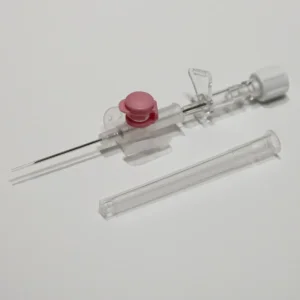
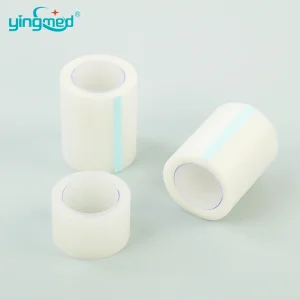
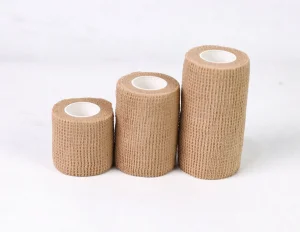
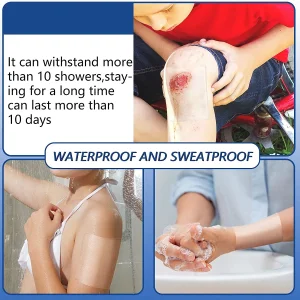
Explore our CE and FDA certified disposable devices, surgical tapes, and post-operative IV dressing systems.
 Nexus Medical