When to Use Cohesive Bandage or Elastic Bandage for Injuries?

Time:2026-05-01 Author:Henry
0%

In the world of injury treatment, selecting the right type of bandage is crucial. Many people wonder when to use a cohesive bandage vs an elastic bandage. These two types serve different purposes and have distinct advantages. Cohesive bandages stick to themselves, while elastic bandages provide stretch and compression. Understanding these differences can lead to better recovery outcomes.

For instance, cohesive bandages are ideal for securing dressings in place. They are useful for minor injuries like small cuts or bruises. Their self-adhering quality allows for easy application without the need for clips or pins. On the other hand, elastic bandages are recommended for sprains. They provide compression and support to swelling areas. This helps in stabilizing injuries during the healing process.

Choosing effectively requires knowledge of the injury type and required support. Some might hesitate in their selection, leading to improper healing. Knowing when to use a cohesive bandage vs an elastic bandage can enhance treatment and recovery. Each bandage has its rightful place in first aid kits, emphasizing the need for awareness and proper technique.
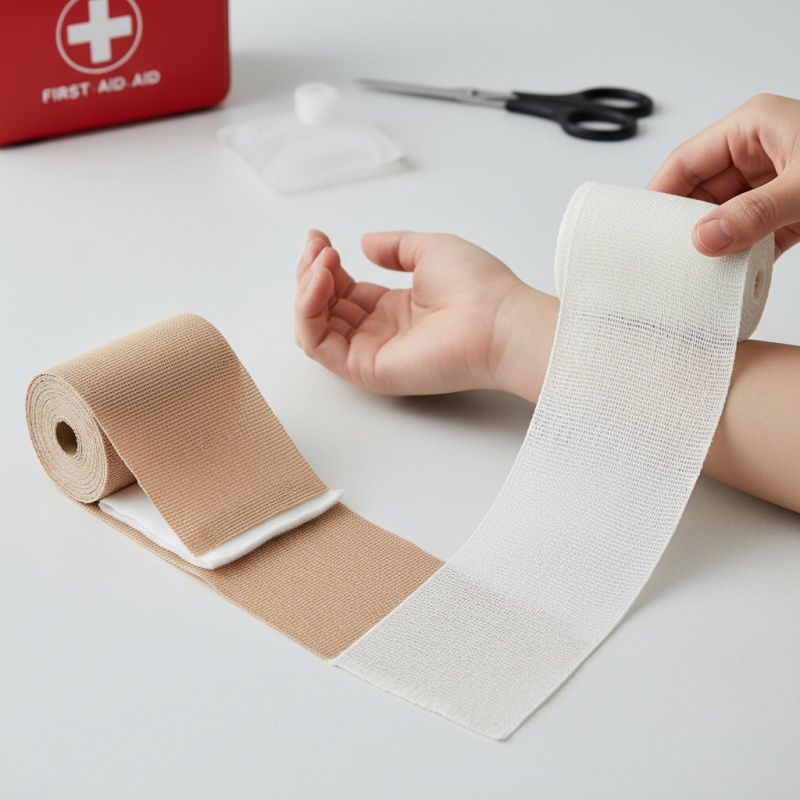
When to Use Cohesive Bandage or Elastic Bandage for Injuries?

Understanding Cohesive Bandages: Definition and Uses

Cohesive bandages are essential in injury management. They provide support and flexibility while stabilizing injuries. Unlike traditional bandages, cohesive bandages stick to themselves, creating a secure hold without excessive pressure. This quality makes them ideal for various uses.

Cohesive bandages are often used for sprains, strains, and minor injuries. They are easy to apply and can be adjusted for comfort. Their moisture-resistant surface helps protect the injury from external contaminants. Using cohesive bandages can enhance recovery, but they require proper technique to avoid complications.

**Tips:** Make sure to clean the affected area before applying a cohesive bandage. This helps prevent infections. When wrapping, maintain even tension but avoid wrapping too tightly. This allows for blood circulation and reduces the risk of creating additional pain. Pay attention to how the injury responds after wrapping. If there is excessive swelling, loosen the bandage. Always consult with a healthcare professional for guidance, especially in severe cases.

When to Use Cohesive Bandage or Elastic Bandage for Injuries?

Type of Bandage Definition Common Uses Advantages Disadvantages
Cohesive Bandage Self-adhering bandage that sticks to itself but not to skin or hair. Wound dressing, support for sprains, and securing splints. Non-slip, easy to apply, and does not irritate skin. Limited elasticity, can lose adhesion over time.
Elastic Bandage Stretchy bandage that provides compression and support. Compression for swelling, securing dressings, and joint support. Good for applying pressure and supports muscle and joints. Can pinch skin, requires clips or tape for securing.
When to Use Based on the type of injury and required support. Cohesive for minor injuries, Elastic for more severe sprains. Choosing the right one ensures effective recovery. Misuse can lead to improper healing or skin irritation.

Understanding Elastic Bandages: Definition and Uses

When managing injuries, elastic bandages are designed to provide support and compression. These bandages are made from stretchy material, allowing them to adapt to the contours of the body. According to the American Academy of Orthopaedic Surgeons, they are effective for sprains, strains, and minor swelling. This versatility makes them a popular choice in both home and professional settings.

Injured athletes often rely on elastic bandages for stability. A study published in the Journal of Athletic Training highlights that proper application can reduce the risk of further injury by up to 30%. The pressure from an elastic bandage helps to minimize swelling and improve circulation around the injury. However, improper use can lead to complications, such as restricted blood flow. It is essential to monitor the affected area for any signs of increased pain or numbness when using these bandages.

Understanding when to use an elastic versus a cohesive bandage is crucial. Cohesive bandages stick to themselves and provide firm compression. They are ideal for securing dressings or creating splints. However, their lack of elasticity means they're not suitable for all injuries. Exploring different bandaging options allows practitioners to tailor treatment to individual needs.

When to Use Cohesive Bandage vs Elastic Bandage for Injuries

Key Differences Between Cohesive and Elastic Bandages

Cohesive bandages and elastic bandages serve distinct purposes in injury treatment. Cohesive bandages stick to themselves but not to skin. This makes them ideal for wrapping limbs, especially when compression is needed. They provide support without causing discomfort. These bandages are often used for sprains or strains, helping to stabilize the area.

On the other hand, elastic bandages are stretchy and adjust to fluctuations in swelling. They're often used for post-surgical care or to manage chronic conditions. These bandages offer flexibility, allowing for movement while providing necessary compression. It's crucial to avoid wrapping too tightly. Over-tightening can cut off circulation, leading to complications.

Choosing between the two requires careful consideration of the injury type. If stability is the priority, cohesive bandages may be the best choice. For fluctuating inflammation, elastic bandages could be more effective. This decision depends on the individual situation, and making the right choice can enhance recovery. It's vital to monitor the affected area to ensure proper blood flow and comfort.

Indications for Using Cohesive Bandages in Injury Management

Cohesive bandages are an essential tool in injury management. They offer several advantages for specific injuries. Primarily, these bandages provide a secure hold without sticking to the skin. This can reduce discomfort during application and removal. They are particularly useful for wrapping sprains, strains, and minor wounds.

When using cohesive bandages, consider the type of injury and the area affected. If the injury is on a joint, such as the ankle or wrist, cohesive bandages help immobilize and support the area. They conform better to body contours, making them ideal for uneven surfaces. Ensure that the bandage is applied with adequate tension but not so tight as to restrict blood flow.

Tips: Always clean the injury site before applying any bandage. This helps prevent infections. If the bandage becomes wet or dirty, replace it promptly. Monitor the area for signs of increased swelling or pain, as these may require medical attention. While cohesive bandages are versatile, proper application and attention to your body's response are vital.

Indications for Using Elastic Bandages in Injury Management

Elastic bandages are a common choice for managing injuries. They provide compression and support, which can help reduce swelling. This type of bandage is particularly useful for sprains and strains. They can stabilize joints, preventing further injury during the healing process.

When applying an elastic bandage, it is crucial to maintain proper tension. Too tight can restrict blood flow, while too loose offers little support. Pay attention to skin color and temperature; changes may signal problems. For athletes, elastic bandages are often part of the standard first aid kit. They allow for mobility while providing essential support.

Using an elastic bandage also involves some challenges. It may not always conform perfectly to the injured area, potentially leading to discomfort. Practitioners must be attentive to user feedback. Even with experience, misapplication happens. Regular practice and reassessment of techniques can enhance effectiveness. Adaptability is key to successful injury management.

FAQS

: What are cohesive bandages?

: Cohesive bandages are self-sticking bandages used for injury management. They provide support and flexibility.

When should I use cohesive bandages?

Use them for sprains, strains, and minor injuries. They help stabilize the injured area effectively.

How do cohesive bandages differ from traditional bandages?

They stick to themselves rather than the skin. This minimizes discomfort during application and removal.

What is a crucial tip for applying cohesive bandages?

Clean the affected area before application to prevent infections. This step is often overlooked.

Can cohesive bandages be wrapped too tightly?

Yes, wrapping too tightly can restrict blood flow. Always maintain even tension for comfort.

What should I do if swelling increases after applying a bandage?

If you notice increased swelling, loosen the bandage. It's important to monitor your body’s response.

How should I take care of cohesive bandages?

Replace them if they become wet or dirty. Regular checks can help avoid complications.

Are cohesive bandages suitable for all types of injuries?

They are best for sprains and minor wounds, but consult a healthcare professional for severe injuries.

Do cohesive bandages provide waterproof protection?

They have moisture-resistant surfaces, but they may not be fully waterproof. Check regularly for damage.

What happens if the bandage doesn't stick properly?

If it doesn't stick, reapply with proper technique. Avoid wrapping too loosely, which can hinder support.

Conclusion

When considering when to use a cohesive bandage vs an elastic bandage for injuries, it is essential to understand the unique characteristics and applications of each type. Cohesive bandages are designed to stick to themselves and are often used for minor injuries, providing secure support while allowing skin to breathe. They are ideal for securing dressings or providing light compression without adhering to the skin.

On the other hand, elastic bandages are stretchable and provide more significant support and compression, making them suitable for managing sprains, strains, and swelling. Knowing the key differences between these two types of bandages is crucial in injury management. Cohesive bandages are best for situations requiring secure, gentle support, while elastic bandages excel in providing firmness and compression to stabilize injuries effectively.

Henry

Henry

Henry is a dedicated marketing professional with a profound expertise in the company's offerings. With years of experience in the industry, he possesses an impressive understanding of the market dynamics and consumer behaviors that drive success. Henry is committed to sharing his insights through......