How to Understand Skin Reactions to Medical Adhesive Patches?

Time:2026-07-22 Author:Amelia
0%

Understanding skin reactions to medical adhesive patches is essential for many patients. Often, people wonder, "why does my skin react to medical adhesive patches?" The answer involves various factors, including skin sensitivity, allergies, and the chemicals in adhesives. Medical adhesives are designed to provide a secure bond. However, this bond can cause irritation for some.

Skin reactions may manifest as redness, swelling, or itching. These symptoms can disrupt daily life and lead to anxiety. Each person's skin is unique, so reactions can vary widely. Not everyone will experience discomfort, but those who do must understand the cause. This reaction can stem from ingredients in the adhesive or from prolonged contact.

Learning about these reactions helps patients make informed choices. Consulting a healthcare provider is crucial. They can offer guidance on alternative products. Documenting any reactions can also assist in understanding personal triggers. Ultimately, awareness and proactive management can enhance comfort and safety. Identifying which products work best for your skin is an ongoing process.
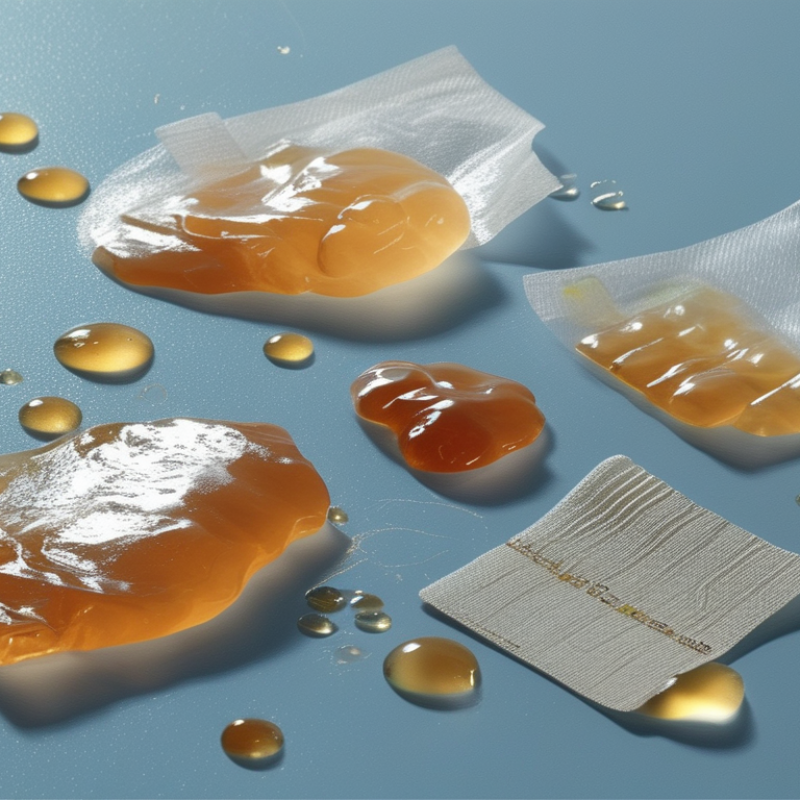
How to Understand Skin Reactions to Medical Adhesive Patches?

Understanding Medical Adhesive Patches: An Overview

Medical adhesive patches are commonly used in healthcare settings. They deliver medications or monitor health conditions. Understanding these patches is crucial for patients and healthcare providers alike.

Many adhesive patches contain substances that can trigger skin reactions. These reactions can range from mild redness to severe allergic responses. Skin type, existing conditions, and the duration of patch use all play significant roles. Individuals must be attentive to how their skin reacts. Not everyone will have the same experience.

Proper usage of adhesive patches can minimize adverse reactions. Always clean the skin before application. Remove the patch if irritation occurs. It is essential to consult a healthcare professional for guidance on skin reactions. Ultimately, understanding these patches empowers patients to make informed choices about their health.

Common Skin Reactions to Adhesive Patches: Types and Symptoms

Skin reactions to medical adhesive patches can vary widely. Understanding these reactions is crucial for anyone using such products. Common issues include redness, itching, and sometimes blister formation. According to a study published in the Journal of Dermatology, around 30% of users report some form of skin irritation.


Redness often appears at the patch site. This reaction may occur shortly after application. It can indicate sensitive skin or an allergy to the adhesive. Itching is another frequent symptom, signaling irritation. In severe cases, some individuals may experience blistering, signifying a more intense skin response. These problems may arise from prolonged wear or improper application.


Tips for preventing reactions include proper skin preparation. Cleanse the area with mild soap and water before application. Consider patch size; larger patches may trap moisture, increasing irritation. Always monitor the skin after applying adhesive patches. If you notice severe reactions, remove the patch immediately. In some cases, consulting a healthcare professional is advisable. By being proactive, you can minimize skin reactions and enhance comfort.

Factors Influencing Skin Reactions to Medical Adhesives

Skin reactions to medical adhesive patches can be influenced by various factors. One key factor is the composition of the adhesive itself. Certain chemicals may irritate sensitive skin. It is crucial to understand how specific ingredients in adhesives can affect skin health. Allergic reactions can occur, including redness or itching.

Another important aspect is the duration of patch application. Prolonged wear increases the likelihood of skin irritation. Skin conditions, such as eczema or psoriasis, can worsen reactions. Individual sensitivities also play a significant role. Everyone's skin is unique, and what works for one person may not work for another.

Moreover, environmental factors can impact skin reactions as well. Moisture from sweat or humidity can weaken the adhesive bond. This can lead to increased friction and irritation. Personal hygiene is also significant. Poor skin care might result in higher sensitivity to adhesives. Understanding these factors can help manage and mitigate adverse skin reactions effectively.

Prevention and Management of Skin Reactions to Adhesive Patches

Skin reactions to medical adhesive patches can range from minor irritations to severe dermatitis. According to recent data, up to 30% of patients using such patches experience some level of skin reaction. Key factors include the type of adhesive and individual skin sensitivity. Understanding these factors can aid in prevention and management efforts.

To reduce allergic reactions, skin preparation is crucial. Clean the skin with mild soap and ensure it is dry before application. This practice can decrease the risk of irritation. A study showed that using pre-adhesive skin barriers can reduce reactions by nearly 50%. Monitoring the skin for signs of redness or swelling offers insight into personal tolerance.

When a reaction occurs, immediate action is essential. Remove the patch promptly and cleanse the area gently. Applying a hypoallergenic moisturizer can soothe the skin. If reactions persist, consulting a healthcare professional is advisable. Research indicates that more than 40% of individuals with persistent skin issues may require alternative adhesives. Understanding personal skin responses leads to better patch selection and a more comfortable experience.

Skin Reactions to Medical Adhesive Patches: Prevention and Management

This bar chart illustrates the various types of skin reactions associated with medical adhesive patches and their relative frequencies. Understanding these reactions can help in preventing and managing potential skin issues.

When to Seek Medical Advice for Adhesive Patch Reactions

When using medical adhesive patches, it's important to recognize when a reaction may require medical advice. Skin reactions can vary in severity. Redness, itching, or mild swelling may occur as a typical response. However, if you notice blistering, prolonged irritation, or signs of an infection, it is crucial to seek help. These symptoms could indicate an allergic reaction or skin sensitivity.

Tips: Always monitor the patch area closely after application. If the skin feels increasingly irritated, remove the patch and consult a healthcare professional. Maintain a journal to track any reactions, including their severity and duration. This information can help your doctor make informed decisions about your care.

In some cases, skin reactions might indicate an underlying condition, like eczema or dermatitis. If multiple patches cause similar reactions, consider discussing alternative adhesives with your healthcare provider. Do not ignore persistent or worsening symptoms. Early intervention can prevent complications. Focus on your body's signals and take proactive steps for skin health.

FAQS

: What are common skin reactions to adhesive patches?

: Common reactions include redness, itching, and blister formation. Around 30% of users report skin irritation.

How can I prevent skin reactions from adhesive patches?

Clean the skin with mild soap and water before applying. Ensure the area is dry to reduce irritation.

What should I do if I notice skin irritation after patch application?

If irritation occurs, remove the patch immediately. Observe the area for changes and cleanse gently.

When should I seek medical advice regarding skin reactions?

Seek help for blistering, prolonged irritation, or signs of infection. These may indicate allergic reactions.

Why is skin preparation important for using adhesive patches?

Proper skin preparation reduces the risk of irritation. A study shows it can cut reactions by nearly 50%.

What should I do if reactions persist after using adhesive patches?

If reactions continue, consult a healthcare professional. Alternative adhesives might be necessary for your comfort.

How can I monitor my skin's response to adhesive patches?

Keep a journal to track reactions, including their severity and duration. This helps inform healthcare decisions.

Can using larger patches increase skin irritation?

Yes, larger patches may trap moisture, worsening irritation. Choose appropriate sizes for your skin type.

What are some signs of severe skin reactions to watch for?

Signs include excessive redness, blistering, or swollen areas. Don’t ignore worsening symptoms; seek medical attention.

How can hypoallergenic moisturizers help with skin reactions?

Applying a hypoallergenic moisturizer can soothe irritated skin after patch removal. It promotes healing and reduces discomfort.

Conclusion

Medical adhesive patches are widely used for various therapeutic purposes, but they can sometimes provoke skin reactions. Understanding these reactions is essential for individuals using such patches. Common skin reactions include redness, itching, rashes, and even blistering, and these symptoms can vary based on individual sensitivity and the materials used in the adhesive. Factors influencing these skin reactions can range from allergies to skin type and environmental conditions.

To answer the question, "why does my skin react to medical adhesive patches," it is crucial to recognize that sensitivity may arise from the adhesive itself or the medications contained in the patch. Preventive measures include proper skin preparation, patch rotation, and choosing hypoallergenic options when available. Managing reactions often entails the use of topical treatments and occasionally consulting a healthcare professional, especially when reactions are severe or persistent. Understanding when to seek medical advice is an integral part of ensuring safe and effective use of adhesive patches.

Amelia

Amelia

Amelia is a seasoned marketing professional with a wealth of expertise in our company’s core offerings. With an unwavering passion for driving growth and innovation, she plays a pivotal role in shaping our marketing strategies and enhancing brand visibility. A key aspect of her responsibilities......