Removing medical tape can be a delicate process. Experts emphasize the importance of doing it carefully to avoid harming the skin underneath. Dr. Sarah Miller, a dermatologist with over a decade of experience, notes, “Taking your time is crucial when learning how to remove medical tape without damaging the skin.”
In many cases, patients worry more about the tape than the wound it protects. The tape adheres securely, but when removed improperly, it can irritate or injure the skin. This is especially concerning for elderly patients or those with sensitive skin.
Understanding the best methods can relieve anxiety. Using warm water or adhesive removers may help. It is essential to consider that every person’s skin reacts differently. What works for one may not work for another. There is no perfect strategy, and results can vary. Ultimately, knowing how to remove medical tape without damaging the skin requires patience and practice.
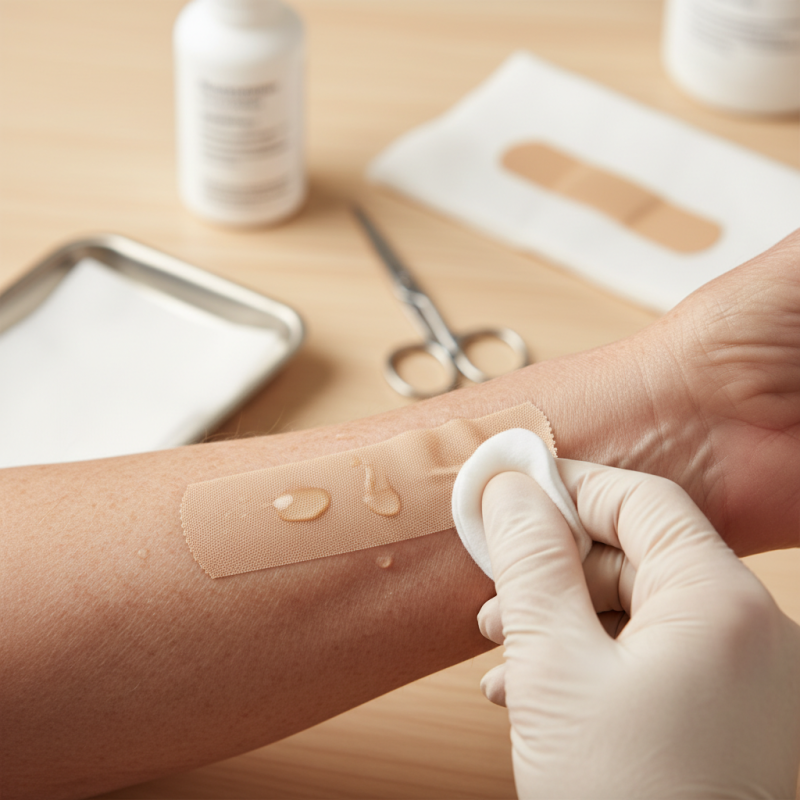
Different types of medical tape exist, each designed for specific applications. Understanding these types helps in better managing skin care. Silicone-based tapes are gentle and often recommended for sensitive skin. They reduce discomfort during removal. A study published in the Journal of Wound Care found that silicone tapes caused less skin damage compared to traditional adhesive options.
Another common type is acrylic adhesive tape. It offers strong adhesion, making it ideal for securing dressings in place. However, while effective, it may lead to irritation for some users. Reports indicate that up to 25% of patients experience skin reactions from acrylic adhesives. This highlights the importance of selecting the right tape based on the user's skin type.
When removing any medical tape, proper techniques can minimize skin damage. Peeling the tape back slowly, at a low angle reduces discomfort. Dabbing the edge with water or using a gentle adhesive remover can aid in the process. Being mindful of the tape type and removal method ensures that the skin remains intact. In some cases, further investigations into preferred removal strategies could yield better skin protection outcomes.
Preparing the skin for safe medical tape removal is essential to avoid discomfort. Start by ensuring the area is clean. Wash your skin gently with mild soap and water. This helps remove any residual adhesive, making the tape easier to remove.
Consider using a warm, damp cloth. Place it over the tape for a few minutes. The heat can help loosen the adhesive. Afterward, peel the tape back slowly. Pull it parallel to the skin, not directly away. This minimizes the risk of tearing the skin.
In some cases, skin may still react negatively. Observe for irritation or redness afterward. If discomfort persists, consult a healthcare professional for further guidance. Awareness of potential skin reactions is crucial for future tape applications.
Removing medical tape can be tricky. It's essential to ensure that the skin remains intact and pain-free. To achieve this, start by gently lifting one corner of the tape. Use your fingertips to peel it back slowly. This method minimizes discomfort. If you feel resistance, pause and reassess. A hasty pull can lead to skin irritation.
Consider using warm water or baby oil. Applying these substances helps soften the adhesive. Soak a cotton ball and dab it on a corner of the tape. Allow it to sit for a few minutes. This can make the removal process more comfortable. After this, try peeling the tape again. Remember, patience is key.
If the tape doesn't come off easily, you might need to revisit your approach. Maybe the adhesive is too strong, or the skin is sensitive. It's okay to struggle here; ask for help if needed. Ensuring a gentle process is vital. Keep in mind that everyone's skin reacts differently. Finding the right technique may require some trial and error.
Removing medical tape can be tricky. It often pulls at the skin, leading to discomfort. To ease the process, using moisturizers and oils is quite effective. These products can create a barrier between the adhesive and the skin. They help break down the adhesive over time.
Apply a generous amount of your chosen moisturizer or oil directly onto the edges of the tape. Allow it to soak in for a few minutes. This strategy softens the tape and makes it easier to peel back. Oils like coconut or olive oil are great options. They are gentle, yet they work well on skin.
Carefully peel the tape back at a 45-degree angle. This reduces tugging on the skin. If you notice any resistance, apply more oil or moisturizer. Take your time and listen to your body. Everyone’s skin reacts differently. What works for one person might not work for another. Consider conducting a patch test on a small area first. This can prevent potential irritation.
When removing medical tape, skin care after removal is crucial. Studies show that improper removal can lead to irritation. Skin often reacts to adhesive residues, leading to discomfort. It’s estimated that nearly 30% of patients experience some degree of skin irritation after tape removal. Therefore, how we care for our skin post-removal is essential.
After the tape is removed, gently wash the area with mild soap and water. This helps remove any leftover adhesive, minimizing irritation. Avoid scrubbing, as this can further damage the skin. Studies suggest that hydrating creams can aid recovery and soothe the skin. Look for creams specifically designed for sensitive skin.
Consider using silicone-based products to reduce scarring and promote healing. These have been shown to create a protective barrier, preventing further irritation. Also, avoid exposing the area to direct sunlight, which can worsen sensitivity. Remember, everyone’s skin responds differently. Monitoring your skin after removal allows you to adjust your care routine as necessary.
: Start by lifting one corner of the tape and peel it back slowly.
Pause and reassess. A hasty pull can irritate the skin.
Applying warm water or baby oil can soften the adhesive.
Use a generous amount on the tape edges. Let it soak for a few minutes.
Peel the tape back at a 45-degree angle to reduce skin tugging.
You might need to revisit your approach. Everyone's skin reacts differently.
Yes, conducting a patch test can prevent potential irritation.
Yes, it's okay to ask for help if you're struggling.
They create a barrier and break down the adhesive over time.
It's important to be patient and accept that removal may take time.
In the quest to understand how to remove medical tape without damaging the skin, one must first recognize the various types of medical tape and their specific adhesives. Preparation is key; ensuring the skin is clean and dry can facilitate a gentler removal process. Employing step-by-step techniques, such as pulling the tape back on itself rather than upwards, minimizes discomfort and adheres to skin safety.
Additionally, using moisturizers or oils can soften the adhesive, making the tape easier to remove. After the tape has been taken off, it's crucial to care for the skin to prevent irritation or damage. This involves applying soothing products to maintain skin integrity and promote healing. Following these guidelines ensures a safe and effective removal process, safeguarding the skin throughout.

Nexus Medical