When considering medical tools, one might wonder, "why do syringes have different plunger resistance levels?" This question delves into the intricate design and functionality of syringes, essential for various medical applications. A syringe's plunger is not merely a component; it plays a crucial role in ensuring precise fluid delivery. Different resistance levels cater to diverse medical needs and user comfort.
The variance in plunger resistance is often tied to the materials used and the syringe's intended purpose. Some syringes are designed for effortless use, ideal for delicate procedures, while others may require more force, suitable for thicker substances. Observers might note the subtle differences in design and functionality among syringes, revealing complexities that go beyond surface appearances.
Understanding these factors is vital for both healthcare professionals and patients. Ultimately, the diversity in plunger resistance levels speaks to a deeper understanding of user needs in medical settings. This awareness invites a reevaluation of why different designs exist and how they affect usability. Reflecting on these aspects can enhance experiences and outcomes in medical practices.
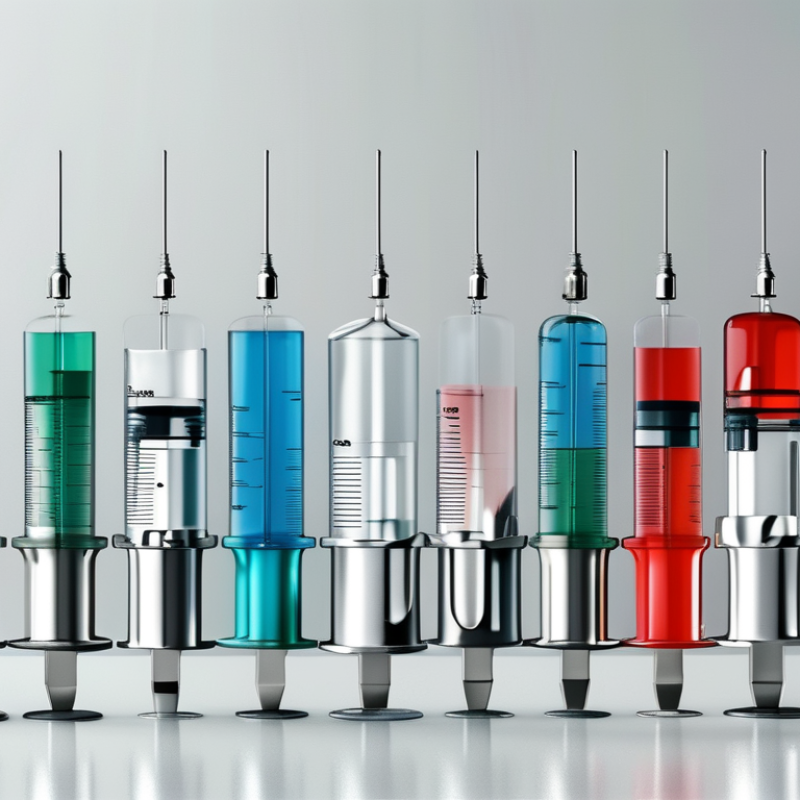
Syringes come with varying plunger resistance levels, impacting their usability. Understanding the factors that contribute to these differences can enhance efficiency in medical settings.
Material composition is a significant factor. Plungers made from silicone rubber tend to have less resistance compared to plastic ones. The smoothness of the plunger also plays a role. A well-lubricated plunger glides effortlessly, making administration easier. Environmental conditions, such as temperature, affect viscosity and, in turn, resistance. Warm conditions can reduce friction, while cold can increase it.
Tip: Always check for lubrication and ensure your syringes are stored at appropriate temperatures to maintain optimal performance.
Another factor is the syringe design. Variations in barrel width and shape can lead to different resistance levels. A narrow barrel creates more friction, making it harder to draw fluid.
Tip: Choose syringes that suit your specific application. Testing a few options can highlight the best choice for your needs.
Variability in manufacturing can also lead to inconsistencies. Not every syringe is created with the same precision. Some might feel stuck or tough to pull, indicating that quality control may need improvement.
| Syringe Type | Plunger Material | Resistance Level (N) | Lubrication Type | Typical Use Case |
|---|---|---|---|---|
| Standard Plastic | Polypropylene | 5 | None | Vaccination |
| Insulin Syringe | Polypropylene | 3 | Silicone | Diabetes Management |
| Luer Lock | Glass | 7 | None | Laboratory Use |
| Pre-filled Syringe | Polyethylene | 4 | None | Emergency Medicine |
| Safety Syringe | Polypropylene | 6 | Silicone | Preventing Needlestick Injuries |
: Material composition, plunger smoothness, design, environmental conditions, and manufacturing variability all impact resistance.
Silicone rubber plungers usually have less resistance than plastic ones, affecting usability.
Well-lubricated plungers glide smoothly, reducing effort during administration and improving user experience.
Temperature changes can alter viscosity. Warm conditions reduce friction, while cold increases it.
Barrel width and shape can create varying friction levels. A narrow barrel increases resistance.
Regularly check lubrication and store syringes at suitable temperatures to maintain functionality.
Plastics, rubber, and glass are standard. Each has distinct properties affecting flexibility and friction.
Softer rubber provides a better seal but may wear out faster, impacting longevity and performance.
Users often encounter rigidity or slipperiness. Their experiences can inform better future designs.
Inconsistent production can lead to syringes that are hard to pull or feel stuck. Quality control is vital.
Syringes exhibit varying levels of plunger resistance due to several key factors. Firstly, the design of the syringe, which can range from standard to specialized types, significantly influences how easily the plunger can be operated. Additionally, the materials used in syringe construction play a crucial role; for instance, rubber, plastic, and glass can each impart different friction characteristics that affect resistance.
Understanding why do syringes have different plunger resistance levels is essential for applications that require precise fluid delivery, such as in medical and laboratory settings. High resistance syringes may offer better control for slow injections, while low resistance syringes can facilitate rapid fluid transfer but may pose challenges in maintaining accuracy. Thus, selecting the appropriate syringe type is vital for achieving optimal performance in specific tasks, weighing the advantages and disadvantages of high and low resistance accordingly.

 Nexus Medical