Signs of an Infected Wound Under a Bandage You Shouldn’t Ignore?

Time:2026-05-19 Author:Liam
0%

Infections can complicate wound healing, leading to serious health issues. Understanding what are the signs of an infected wound under a bandage is crucial for timely intervention. Infected wounds might show subtle changes that can escalate quickly if ignored. It's essential to monitor the wound site actively.

Common signs include increased redness, swelling, and warmth. You may also notice unusual discharge, such as pus with a foul odor. Pain can intensify, even if initial discomfort seemed manageable. Sometimes, the skin might feel unusually tight or stretched around the bandage, signaling a problem.

Being vigilant can prevent complications. However, not all signs are clear-cut. Sometimes, the symptoms are mild or easily dismissed. This uncertainty calls for awareness and prompt action. If you observe any concerning symptoms, consult a healthcare professional for evaluation and treatment. Early detection is vital for a positive recovery outcome.
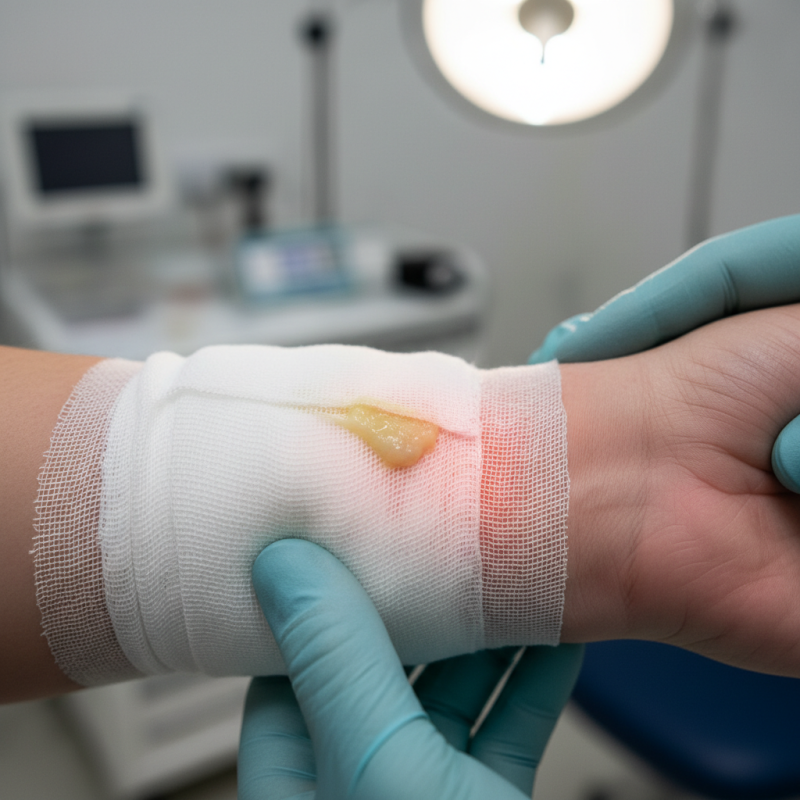
Signs of an Infected Wound Under a Bandage You Shouldn’t Ignore?

Signs of Redness and Swelling Around the Bandage

Swelling and redness around a bandage can indicate an infection. This is not something to take lightly. When you notice a change in color or an increase in size, pay close attention. Often, the skin appears warm and tender to the touch. You may also see a discharge that is yellow or greenish. These are clear signs that your body is fighting an infection.

Sometimes, the bandage itself traps moisture, encouraging bacterial growth. It's easy to overlook a small issue, thinking it will heal on its own. However, ignoring redness and swelling can lead to more serious complications. Regularly check the area under the bandage. If it feels increasingly uncomfortable, it might be time to seek medical advice.

Be aware of how long you keep a bandage on. Extended wear can hinder healing. A proper change of the dressing is essential. If you find yourself unsure about the signs, trust your instincts. Your body’s signals are crucial. Taking action sooner rather than later can make a significant difference in your recovery.

Signs of an Infected Wound Under a Bandage You Shouldn’t Ignore

Signs Description When to Seek Medical Help
Redness Increased redness around the wound area, extending beyond the bandage edge. If redness is spreading within 24 hours.
Swelling Noticeable swelling around the bandage that feels warm to the touch. If swelling increases after initial treatment.
Pus or Discharge Presence of yellow or green pus, or any unusual discharge. Immediately, as this indicates infection.
Fever A temperature above 100.4°F (38°C) when feeling unwell. If fever persists beyond 24 hours.
Increased Pain Worsening pain at the wound site not relieved by medication. If pain escalates significantly after treatment.

Increased Pain or Discomfort in the Wounded Area

Increased pain or discomfort in a wounded area can indicate a possible infection. A recent study published in the Journal of Wound Care found that about 20% of wounds may develop an infection. This risk rises with improper care. If you notice significant pain intensifying instead of decreasing, it’s a red flag. The body is signaling something wrong.

It’s essential to monitor changes in pain levels. Pain that worsens after a few days can suggest bacterial growth. The area might feel warm or swollen. Such inflammation often accompanies infections. According to the Centers for Disease Control and Prevention, infections can lead to severe complications if left untreated. This is especially true for wounds that are deep or have been exposed to unclean conditions.

Tips: Always clean the wound properly. Use sterile bandages and change them regularly. If pain persists, don’t hesitate to consult a healthcare professional. Listening to your body is vital. Serious infections can develop rapidly, leading to longer recovery times. Anticipating problems can save you from future complications.

Unusual Odor Emitted from the Bandaged Wound

When caring for a bandaged wound, it’s crucial to monitor for signs of infection. One significant red flag is an unusual odor emanating from the bandage. A healthy wound should have a neutral smell. If you detect a foul or pungent odor, this may indicate bacterial growth or infection.

It's important to remember that everyone’s body responds differently to injuries. A shift in smell can be an early warning sign. You might also notice discoloration around the wound or an increase in pain. If you catch yourself ignoring this unusual smell, reflect on the importance of timely medical intervention. Allowing an infection to progress can lead to more severe complications.

Proper wound care is vital. Change bandages regularly and clean the wound as directed. If you notice an offensive odor, do not hesitate to consult a healthcare professional. Trust your instincts; your body is often your best indicator of what needs attention.

Presence of Pus or Fluid Accumulation Under the Bandage

Infections can develop under a bandage, leading to serious health issues. One alarming sign is the presence of pus or fluid accumulation. This suggests that the body is fighting an infection. According to the CDC, nearly 2 million people in the U.S. acquire infections from wounds each year. It is crucial to recognize these signs early.

When changing a bandage, you should look closely. If you see yellow or green pus, it's time to seek medical attention. Clear fluid might also indicate a problem, especially if there’s increased swelling. These symptoms mean you can't ignore what's happening beneath the bandage.

Tips: If you notice any unusual discharge, keep the area dry and clean. Avoid reapplying a contaminated bandage. Use sterile supplies to prevent further complications. Staying aware can make a difference in your recovery process.

Fever or Other Systemic Symptoms Accompanying the Wound

When a wound is covered by a bandage, it can be easy to overlook signs of infection. However, systemic symptoms such as fever should not be ignored. An increase in body temperature can signify that your body is fighting an infection. This reaction can occur even if the wound itself appears minor. If you experience fever, it is essential to pay attention to other symptoms that may accompany it.

Alongside fever, you might feel chills or general malaise. These feelings indicate that the infection could be spreading. You might also notice increased redness or swelling around the wound. Pain may also intensify, even if it initially seemed manageable. A change in the wound's drainage, such as thick or foul-smelling pus, raises further concern.

Listening to your body is crucial. If you experience fever or these symptoms, take them seriously. Waiting too long to seek medical advice can lead to complications. It's better to err on the side of caution in these situations. Regularly check and properly care for your wound, but don’t hesitate to consult a healthcare professional if you notice alarming signs. Ignoring these signals can have serious implications for your health.

FAQS

: What does redness around a bandage indicate?

: Redness can be a sign of infection. Pay attention to changes in color.

How should I react if I notice swelling near the bandage?

Swelling may also signal an infection. It's important to monitor it closely.

What are common signs of infection in a wound?

Signs include increased pain, warmth, redness, and discharge that may be yellow or greenish.

How long can I keep a bandage on safely?

Extended wear can hinder healing. Change the dressing regularly to avoid complications.

What should I do if pain around the wound worsens?

If pain intensifies, seek medical advice. Your body may be signaling a problem.

What systemic symptoms should I be cautious of?

Fever, chills, and malaise can indicate an infection. Take these symptoms seriously.

How can I prevent wounds from becoming infected?

Clean wounds properly and use sterile bandages. Regular changes are essential.

When should I consult a healthcare professional?

If you notice red flags like fever or worsening symptoms, seek help immediately.

How can ignoring minor symptoms impact my health?

Ignoring symptoms can lead to serious complications. It's important to listen to your body.

What type of discharge from a wound is concerning?

Thick or foul-smelling pus is alarming and suggests a possible infection.

Conclusion

When considering what are the signs of an infected wound under a bandage, several key indicators should be closely monitored. Redness and swelling around the bandage are often the first noticeable signs that infection may be present. Alongside this, increased pain or discomfort in the affected area can indicate that the healing process is being disrupted.

Other significant signs include the emission of an unusual odor from the wound, which may suggest the presence of bacteria, as well as the presence of pus or fluid accumulation beneath the bandage. Additionally, systemic symptoms such as fever can indicate that the body is responding to an infection. Recognizing these signs early can be crucial for effective treatment and preventing complications.

Liam

Liam

Liam is a dedicated marketing professional with a profound expertise in the industry, where he excels at highlighting the unique advantages of our core products. With a keen understanding of market trends and consumer needs, Liam frequently updates our company’s professional blog, providing......