When it comes to selecting the best medical tape for sensitive skin, the process can be daunting. Experts like Dr. Emily Adams, a dermatological specialist, emphasize the importance of finding the right product. She once stated, “Choosing the right medical tape can significantly reduce discomfort for those with sensitive skin.” This advice highlights the significance of product selection.
Sensitive skin requires careful consideration. Many tapes can cause irritation, leading to further complications. Therefore, understanding how to choose the right medical tape for sensitive skin is essential. Options like hypoallergenic tapes or those made from breathable materials are usually best. They minimize the risk of allergic reactions while providing adequate adhesion.
Moreover, personal experiences vary widely. What works for one person might not be suitable for another. It is crucial to test different products to find the best fit. Keep in mind that even reputable brands can cause adverse reactions. A thoughtful approach and attention to detail are key in this journey.
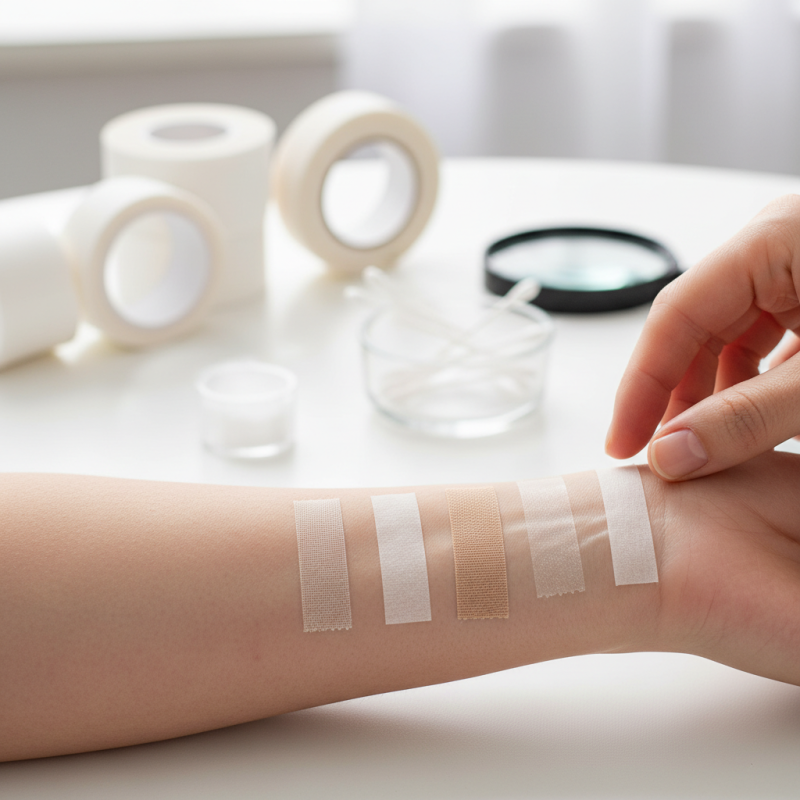
Understanding sensitive skin is crucial for choosing the right medical tape. Sensitive skin refers to skin that is easily irritated, often resulting in redness, itching, or a burning sensation. Individuals with conditions like eczema or psoriasis may find that even slight irritation leads to significant discomfort. Knowing these factors helps in selecting the appropriate tape.
When choosing medical tape for sensitive skin, consider the material. Hypoallergenic options are designed to minimize reactions. Look for tapes with soft, breathable properties to avoid trapping moisture. Testing a small area before full application can gauge how the skin responds. Use of adhesive removers can also ease the discomfort when removing the tape.
Keep in mind that even the best options may not be perfect for everyone. Some individuals might experience unexpected reactions. Regular monitoring of the skin's condition is vital. Adjustments may be necessary if irritation occurs. Adapting to the unique needs of sensitive skin can take time and patience.
When selecting medical tape for sensitive skin, understanding the various types available is crucial. Acrylic-based tapes are often recommended due to their gentle adhesion. A study indicates that these tapes exhibit a lower risk of skin irritation compared to traditional options. They allow for breathability, reducing the chance of moisture accumulation that can lead to skin issues.
Silicone tapes are another excellent choice. Research shows that they can effectively manage wounds while minimizing pain during removal. This is vital for patients with delicate skin who may experience trauma from conventional adhesives. These tapes are also hypoallergenic, a key aspect for those prone to allergic reactions.
It’s important to consider the specific needs of the skin. A survey of healthcare professionals found that 70% emphasize the need for individualized approaches when choosing tape. Not every product will suit every patient, and past experiences may inform better choices. While some users may seek durable options, others prioritize ease of removal. Balancing these factors requires careful thought and, sometimes, trial and error.
When choosing medical tape for sensitive skin, several key features must be considered. A breathable material is essential. Tapes that allow air circulation can reduce moisture buildup, thus preventing skin irritation. According to a report from the Journal of Wound Care, skin reactions can occur in up to 25% of patients using adhesive products. Thus, breathable options can enhance comfort.
Gentle adhesion is another critical factor. Tapes that offer strong yet gentle adhesion prevent damage to the skin when removed. A study in the Journal of Dermatology noted that tape designed for sensitive skin reduced both pain and damage during removal by up to 40%. Additionally, flexibility in tape design can accommodate body movements, ensuring the tape remains secure without causing friction or discomfort.
Finally, hypoallergenic properties are crucial for sensitive skin. Tapes free from common allergens minimize the risk of allergic reactions. A survey conducted by the American Academy of Dermatology indicated that over 30% of individuals with sensitive skin reported allergies to standard medical tapes. Selecting hypoallergenic options can be a prudent choice for those with skin sensitivities, ensuring healing without additional complications.
When applying medical tape on sensitive skin, proper technique is crucial. Start by cleaning the area gently. Use mild soap and water. Pat the skin dry with a soft cloth. This helps avoid irritation and ensures better adhesion.
Next, cut the tape to the desired length. Avoid using sharp scissors that can snag fabric. Rounded edges may reduce the chances of peeling. Press the tape down gently, starting in the center and moving outward. This minimizes air pockets, which can lead to discomfort. If you sense any irritation, consider adjusting how tight you apply the tape.
Remember to monitor the tape daily. Excessive moisture or movement may cause it to lift. If it seems loose or irritated, remove it without pulling too hard. Use a gentle adhesive remover if needed. It’s essential to listen to your skin; it can guide you in mastering effective applications.
Removing medical tape from sensitive skin can be a delicate process. Many individuals experience irritation or discomfort during tape removal. The American Journal of Surgery reported that about 25% of patients have reported tape-related skin irritation. Therefore, careful attention to removal techniques is essential to minimize discomfort and potential skin damage.
One effective approach is to soften the adhesive before removal. A gentle puff of air or warm compress can help loosen the tape. This can reduce the pulling sensation on the skin. Additionally, using a silicone-based adhesive remover can provide a soothing alternative. Always start at one edge and peel back slowly. If resistance occurs, pause and apply more adhesive remover.
Tips for easier removal:
These suggestions can ease the process and help maintain skin integrity. Regular evaluations of tape choice and removal methods can lead to better outcomes.
: Sensitive skin is easily irritated, often causing redness, itching, or a burning feeling. Conditions like eczema and psoriasis can worsen this.
Look for hypoallergenic options. Soft, breathable materials help prevent moisture buildup and irritation.
Yes, test a small area first. This can help determine how your skin reacts to the tape.
Regularly monitor your skin. If irritation occurs, you may need to adjust or change the tape used.
Breathable material reduces moisture, preventing skin irritation. This is crucial for comfort and skin health.
Use gentle adhesive removers. Removing the tape slowly also helps to reduce pain and skin damage.
Clean the area gently, cut the tape rounded edges, and press down from the center outward.
Daily checks are important. Excess moisture or movement can cause lifting or irritation.
Yes, gentle adhesion is essential. Tapes that are too strong can damage skin during removal.
If the tape seems loose, remove it gently. Avoid pulling too hard to protect your skin.
Choosing the appropriate medical tape for sensitive skin is crucial to ensure comfort and prevent irritation. Understanding the unique characteristics of sensitive skin is the first step in this process. It is essential to consider types of medical tapes specifically designed for sensitive skin, which often include hypoallergenic and breathable options. When determining how to choose the right medical tape for sensitive skin, focus on key features such as adhesive strength, softness, and the ability to allow skin to breathe.
Application techniques also play a vital role in minimizing discomfort during tape application. Ensuring a smooth and gentle approach can significantly reduce irritation. Finally, proper aftercare is essential; using techniques to remove the medical tape carefully can prevent skin damage and further irritation. By taking these factors into account, individuals can effectively select and use medical tape that meets the needs of sensitive skin.

Nexus Medical