How to Safely Dispose of Contaminated Infusion Sets at Home?

Time:2026-06-25 Author:Liam
0%

Disposing of contaminated infusion sets at home is a critical health concern. When done improperly, it poses risks to both human health and the environment. According to the World Health Organization (WHO), improper disposal of medical waste leads to increased disease transmission and environmental contamination. It's essential to understand how to dispose of contaminated infusion sets at home effectively.

Dr. Emily Johnson, an expert in medical waste management, states, “Safe disposal practices can significantly reduce health risks to families and communities.” It is estimated that over 80% of waste generated from healthcare activities is non-hazardous. However, the remaining 20% can be infectious or hazardous. This risk highlights the need for proper disposal methods for infusion sets, which can be unsafe if thrown in regular trash.

Simple steps, such as using puncture-proof containers, are crucial. These containers prevent needle-stick injuries and contamination. Yet, many people fail to recognize the correct processes. Education on the safe disposal of infusion sets is lacking, leading to practices that may endanger public health. Individuals must be informed and vigilant to ensure safe management of these items in their homes.
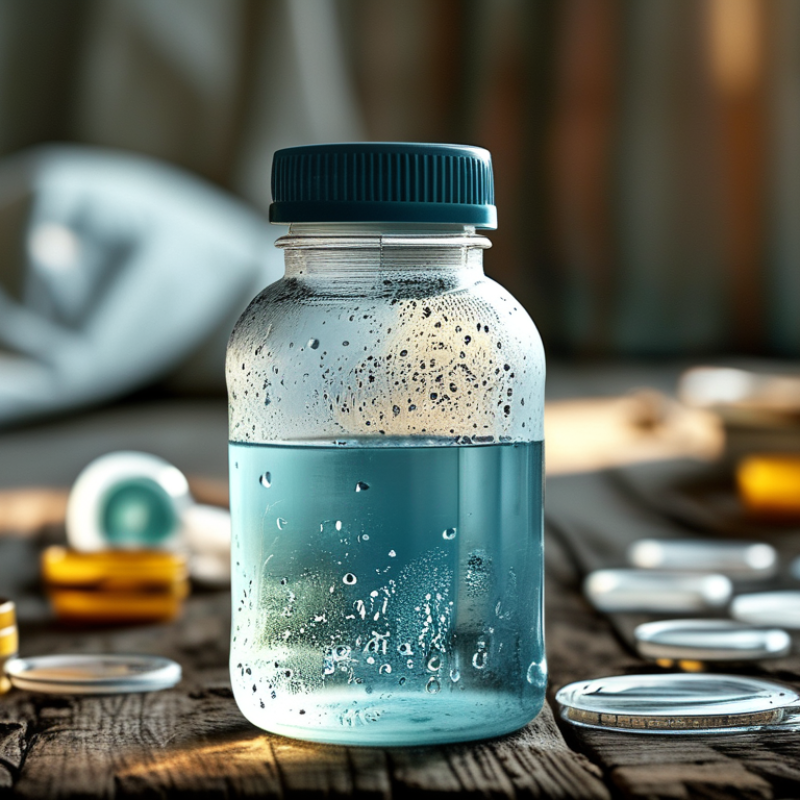
How to Safely Dispose of Contaminated Infusion Sets at Home?

Understanding Contamination Risks Associated with Infusion Sets Disposal

Disposing of contaminated infusion sets requires careful consideration of contamination risks. According to the Centers for Disease Control and Prevention (CDC), improper disposal can lead to infections and harm to those handling waste. Contaminated equipment can harbor pathogens. These pathogens may include bacteria and viruses, which pose significant health risks.

Studies indicate that about 25% of healthcare waste is classified as hazardous. This waste often includes items like used needles and infusion sets. Families managing their own infusion therapies need to take extra precautions. Simply throwing used sets in the trash increases exposure risks for waste collectors and others.

Proper disposal methods include using puncture-proof containers. According to the World Health Organization (WHO), these containers should be clearly labeled and stored securely. It's crucial to monitor the waste until it can be disposed of by professional services. Not everyone may have access to these services, which can lead to gaps in safety. Reflecting on these gaps can help improve practices and raise awareness of the risks involved in improper disposal.

Essential Safety Guidelines for Handling Contaminated Infusion Sets

Handling contaminated infusion sets requires careful attention. These tools can contain harmful substances. Proper disposal is crucial for safety. Here are essential guidelines to follow.

When discarding infusion sets, always wear protective gloves. This minimizes direct contact with contaminants. Place the used sets in a puncture-proof container. A rigid plastic bottle or a sharps container works well. Secure the lid tightly once it’s full. Avoid leaving the container open, as it can pose risks.

If the infusion set has not been used, don’t assume it’s safe. Treat all used items with caution. Do not recycle or throw them in regular trash. Instead, check local regulations for disposal. Some areas offer specific drop-off sites for medical waste. It’s important to adhere to these regulations.

Remember, your safety matters. Stay informed and cautious. Dispose of contaminated materials responsibly. Each choice contributes to a healthier environment for everyone.

Proper Segregation and Packaging Techniques for Used Infusion Sets

When dealing with used infusion sets, proper segregation is crucial. According to the World Health Organization, improperly disposed medical waste poses severe health risks. It can lead to infections and environmental contamination. Separate the infusion sets from regular trash immediately after use. This step significantly reduces the risk for your household.

Packaging is another essential aspect. Use puncture-proof containers, such as rigid plastic boxes, to store used infusion sets. Research indicates that about 85% of medical waste is non-hazardous, but the remaining 15% can pose serious threats. Securely seal the containers to prevent any accidental spills. Label them clearly to avoid confusion.

Taking these actions shows responsibility in managing healthcare waste. However, many people lack knowledge on proper disposal methods. Education is key here. Misunderstandings can lead to unsafe practices. Therefore, accessing resources from healthcare professionals can provide clarity. Despite the challenges in managing such waste, creating a safe home environment is paramount.

How to Safely Dispose of Contaminated Infusion Sets at Home? - Proper Segregation and Packaging Techniques for Used Infusion Sets

Category Description Recommended Disposal Method Safety Precautions
Infusion Set Used infusion sets that may have come into contact with bodily fluids. Seal in a rigid, puncture-proof container. Wear gloves when handling and ensure container is kept out of reach of children.
Needles Sharps waste from infusion sets including needles and any sharp devices. Dispose of in a designated sharps container. Never recap needles, and always keep sharps containers sealed.
Tubing Plastic tubing that may have been exposed to fluids. Place in plastic bags and seal securely. Ensure bags are labeled as medical waste before disposal.
Alcohol Swabs Single-use swabs that may be contaminated. Dispose in regular household waste unless visibly contaminated. If contaminated, treat as medical waste.

Local Regulations and Community Programs for Medical Waste Disposal

When disposing of contaminated infusion sets, knowing local regulations is crucial. Each community has specific guidelines for medical waste. These laws address safety and environmental concerns. Many municipalities have designated drop-off locations for such items. It's vital to familiarize yourself with these options to avoid improper disposal.

Community programs often aim to educate residents about safe disposal practices. Workshops and informational flyers can provide valuable insights. Some areas offer household hazardous waste collection events. Participating in these programs can enhance safety and ensure compliance with regulations. Engaging with local healthcare providers can also clarify what is permissible.

Despite efforts, some may still dispose of these items in regular trash. This practice poses risks to sanitation workers and the environment. Reflecting on one’s disposal methods is essential for community safety. Responsible choices can contribute to a healthier neighborhood. Always seek information and act accordingly.

Contaminated Infusion Set Disposal Methods

This chart illustrates the percentage of different disposal methods used for contaminated infusion sets. Proper disposal is essential to prevent environmental contamination and ensure public safety. The majority of users dispose of these sets in biohazard bins, while a smaller portion utilizes community collection points and recycling programs.

Best Practices for Reducing Environmental Impact When Disposing of Infusion Sets

Disposing of contaminated infusion sets at home involves significant environmental considerations. According to the World Health Organization (WHO), improper disposal of medical waste can lead to a range of health and ecological hazards. Such waste contributes to pollution and can cause infections if not managed correctly. It is crucial to adhere to best practices in waste disposal, even at home.


To minimize environmental impact, consider designated sharps containers. These containers are specifically designed for safe disposal. Ensure that you seal them correctly after use. Following the recommendations from the U.S. Environmental Protection Agency (EPA), do not throw used sets in regular trash. Instead, seek local programs for medical waste disposal. Some communities offer take-back programs, which can significantly lower health risks and environmental pollution.


Additionally, educate yourself regarding local disposal guidelines. Many regions have regulations on how to dispose of medical waste safely. A report from the Centers for Disease Control and Prevention (CDC) indicates that education can decrease improper disposal rates by 30%. While individuals may feel uncertain about managing medical waste, knowing where to turn for resources can make a difference. Understanding these processes is essential for responsible waste management at home.

FAQS

: What are the health risks associated with improper disposal of infusion sets?

: Improper disposal can lead to infections and pose health risks to those handling the waste.

Why is it important to use puncture-proof containers for disposal?

Puncture-proof containers prevent accidental contact with sharp items and reduce the risk of exposure to pathogens.

What should I wear when handling contaminated infusion sets?

Always wear protective gloves to minimize direct contact with harmful substances.

Can unused infusion sets be safely discarded in regular trash?

No, treat all used items with caution. They should not be thrown in regular trash.

What are local regulations for medical waste disposal?

Communities have specific guidelines addressing safety and environmental concerns for disposing of medical waste.

How can communities promote safe disposal practices?

Local programs often provide workshops, educational materials, and hazardous waste collection events to raise awareness.

What can individuals do to ensure proper disposal of infusion sets?

Familiarize yourself with local disposal options and adhere to regulations to avoid improper disposal.

What happens if someone disposes of infusion sets improperly?

This action poses risks to sanitation workers and can harm the environment.

How can I find out more about medical waste disposal in my area?

Engage with local healthcare providers and check municipal guidelines for available disposal services.

Why is it essential to reflect on disposal methods?

Reflecting on disposal practices helps individuals understand their impact on community health and safety.

Conclusion

Proper disposal of contaminated infusion sets at home is crucial to minimize health risks and environmental impact. To safely manage these items, individuals should first understand the contamination risks associated with their disposal. Essential safety guidelines include wearing gloves when handling used sets, as well as practicing hand hygiene afterward.

It is vital to properly segregate and package used infusion sets, ideally in a designated container that is puncture-resistant and labeled as medical waste. Furthermore, individuals should familiarize themselves with local regulations and community programs that address medical waste disposal to ensure compliance and safety. Finally, adopting best practices for reducing environmental impact, such as utilizing local disposal programs, can help mitigate the negative effects of improper disposal. Through these steps, one can effectively learn how to dispose of contaminated infusion sets at home while prioritizing health and safety.

Liam

Liam

Liam is a dedicated marketing professional with a profound expertise in the industry, where he excels at highlighting the unique advantages of our core products. With a keen understanding of market trends and consumer needs, Liam frequently updates our company’s professional blog, providing......