How to Properly Secure an IV Line with Infusion Patches?

Time:2026-05-07 Author:Madeline
0%

Properly securing an IV line is crucial in healthcare. Infusion patches have gained attention for their role in maintaining IV line integrity. Inadequately secured IV lines can lead to complications such as infection or dislodgement. According to a study published in the Journal of Infusion Nursing, nearly 30% of IV-related complications stem from improper securing techniques.

To understand how to properly secure an IV line with infusion patches, one must consider factors like patient movement and the type of infusion. The right material and method can dramatically reduce the frequency of replacements. Data from the Infusion Nurses Society highlights that reducing IV line replacements can save healthcare facilities significant costs. Yet, many still face challenges in achieving optimal security.

Experience shows that training staff on the latest techniques is vital. Despite advancements, some practitioners fail to adapt. Regular workshops and audits can help bridge this gap. It is essential to reflect on past practices and continually seek improvement in IV line management. Properly securing IV lines is not just about techniques; it is about enhancing patient safety and care quality.
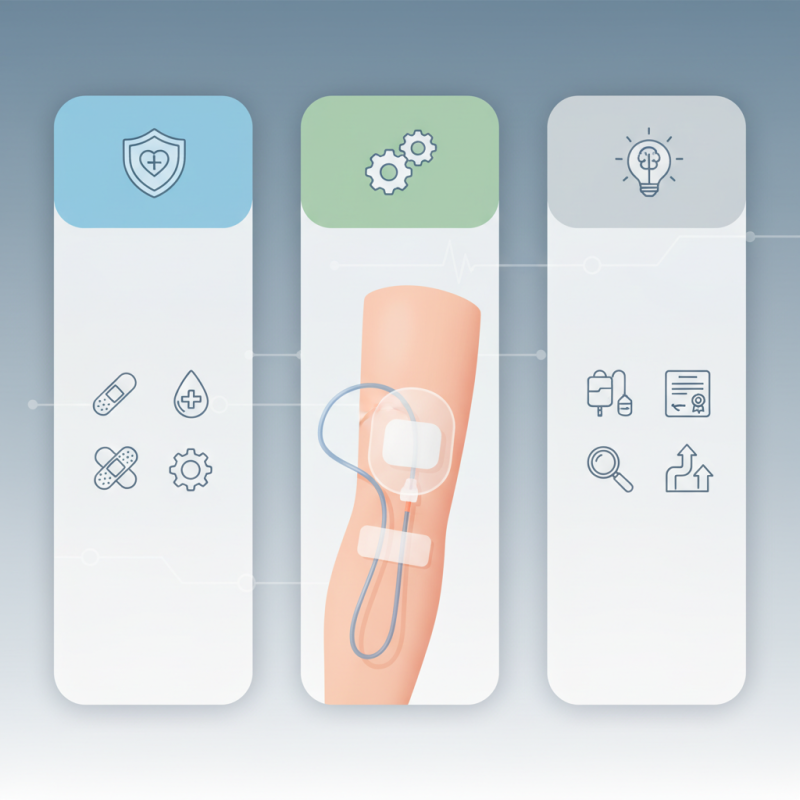
How to Properly Secure an IV Line with Infusion Patches?

Understanding IV Line Security: Importance of Infusion Patches

Understanding IV Line Security: Importance of Infusion Patches

Infusion patches are critical in ensuring the stability of IV lines during treatment. A study by the Infusion Nurses Society found that proper securement reduces the risk of dislodgement by up to 80%. These patches create a barrier against movement and external pressures, which is vital in preventing complications. Many healthcare facilities are adopting advanced securement strategies to enhance patient safety. Yet, the awareness of proper techniques remains low among some practitioners.

Tips for effective IV line securement include using a sterile patch suited to the patient's skin type. The adhesive quality directly impacts the patch's efficacy. If the patch does not adhere properly, risks increase. Regular assessment is key—monitoring the IV site can help in identifying early signs of issues. Minimizing excessive traction during activities can prevent pulling on the line, which may compromise securement.

While technology has advanced, human error or oversight is still a concern. A report by the National Institute for Health suggests that 25% of IV-related complications stem from inadequate securement. Training healthcare practitioners about the importance of thorough securement techniques may lead to better outcomes. This highlights the need for continuous education in the ever-evolving medical field, as even small lapses can cause significant patient distress.

Choosing the Right Infusion Patch for IV Line Stability

When selecting an infusion patch for IV line stability, the right choice can significantly impact patient care. A recent report from the Infusion Nurses Society emphasizes that approximately 40% of IV complications stem from inadequate securing methods. This statistic highlights the importance of choosing the appropriate infusion patch based on the specific clinical scenario.

Infusion patches come in various materials and designs. A study published in the Journal of Vascular Access found that transparent adhesive patches can reduce site infections by nearly 30%. However, they may not always provide sufficient security for high-flow IVs. Medical professionals must assess patient mobility, type of infusion, and site condition before making a decision.

Sometimes, even with the best patches, challenges arise. Patches may peel off due to moisture or movement. Clinicians should consider patient feedback as well. Listening to their experiences can help refine selection practices. Continuous education on new adhesive technologies is also vital for maintaining proper IV line security. Choosing the right patch is crucial, but ongoing evaluation is just as important.

Step-by-Step Guide to Secure an IV Line with Infusion Patches

Securing an IV line with infusion patches is crucial in the healthcare setting. A well-secured IV line minimizes the risk of infection and improves patient comfort. According to a report from the Infusion Nurses Society, improper IV line management can lead to a 30% increase in complications. Thus, following effective techniques is vital.

Begin by cleaning the skin with an antiseptic solution. Ensure the area is dry before applying the infusion patch. The patch should cover the IV site completely. This protects against contaminants. It's essential to check the patch’s adhesion regularly. A patch that lifts can expose the IV line to potential hazards. Studies show that regular inspections can reduce complications by up to 25%.

Adjusting the IV line as needed is key. Make sure the catheter is not under tension. While it may seem straightforward, many healthcare providers overlook this detail. Excessive tension can lead to infiltration. The importance of remaining vigilant during this process cannot be understated. Educators recommend weekly training sessions to reinforce best practices. This can enhance the competency of healthcare teams.

Common Mistakes in IV Line Securing and How to Avoid Them

Securing an IV line is crucial for patient safety. Many common mistakes can lead to complications. One frequent error is not preparing the skin properly. Clean and dry skin is essential before applying infusion patches. Inadequate cleaning can lead to infections or patch detachment.

Tips: Always use antiseptic wipes before securing the IV line. Allow the skin to dry completely for maximum adhesion.

Another common mistake is using excessive tape. Too much tape can cause skin irritation or restrict circulation. Instead, use just enough to secure the line without compromising blood flow. Ensure the IV line is not too taut, which can also lead to discomfort.

Tips: Check the IV line placement regularly. Adjust if necessary, ensuring the patient is comfortable.

Many healthcare providers forget to educate patients about IV care. Patients should know how to recognize signs of complications. Ignorance can lead to serious issues, including infiltration or occlusion. Communication is key in avoiding these problems.

Tips: Provide clear verbal and written instructions to patients and their families. Regular follow-ups can identify issues early.

Monitoring and Maintenance: Ensuring Effective IV Line Security

Effective monitoring and maintenance of IV lines is crucial for patient safety. A recent study indicated that nearly 30% of IV line complications arise from improper securement. This statistic emphasizes the need for careful oversight during the infusion process. Regular inspections should be part of every healthcare provider's routine. Checking for signs of degradation, like discoloration or looseness, can prevent further complications.

When securing an IV line with infusion patches, it’s vital to assess the integrity of the skin around the insertion site. Inappropriate skin preparation can lead to infections or phlebitis. Research has shown that patients with poorly secured lines have a 28% higher risk of infection. Therefore, implementing best practices for hygiene is essential. Additionally, healthcare professionals should be trained to recognize when a line needs immediate adjustment or replacement.

It is also important to document each step taken. This promotes accountability and allows for traceability in case of any issues. A review of incidents where IV lines failed can offer insights. Reflecting on these occurrences fosters a culture of continuous improvement. Hospital protocols should adapt to these findings to enhance patient care and safety. Adopting a proactive stance on monitoring IV lines can make a significant difference in patient outcomes.

FAQS

: What is the importance of infusion patches for IV lines?

: Infusion patches secure IV lines, reducing dislodgement risks by up to 80%. They prevent complications during treatment.

How should the skin be prepared before applying an infusion patch?

Always clean the skin with antiseptic wipes. Make sure the skin is dry for better adhesion.

What common mistake occurs with tape usage?

Excessive tape can irritate skin or restrict circulation. Use just enough tape to secure without causing discomfort.

How can healthcare providers ensure effective IV line securement?

Regular assessments of the IV site are key. Check for early signs of issues and ensure the line isn’t too taut.

Why is patient education important in IV line care?

Patients need to recognize signs of complications. Lack of knowledge can result in serious problems, such as infiltration.

What should be communicated to patients about their IV lines?

Provide clear verbal and written instructions on recognizing complications. Follow-ups can help catch issues early.

How does human error impact IV line securement?

Reports indicate that 25% of IV complications result from inadequate securement. Continuous education can reduce this risk.

What can happen if an infusion patch does not adhere properly?

Poor adhesion increases risks of IV line complications. Regular monitoring helps identify and resolve these risks early.

How can excessive traction on the IV line affect patient safety?

Excessive pulling can compromise securement and lead to dislodgement. Be mindful during patient activities to minimize risk.

What is a key strategy for improving IV line securement techniques?

Training healthcare practitioners on securement techniques can improve patient outcomes and reduce complications.

Conclusion

The article "How to Properly Secure an IV Line with Infusion Patches" emphasizes the critical importance of ensuring IV line stability through the use of infusion patches. It outlines the essential factors to consider when choosing the right patch to maintain effective IV line security, thereby minimizing the risk of complications. The provided step-by-step guide details the procedures for securely applying an IV line with infusion patches, ensuring that healthcare professionals can follow best practices.

Additionally, the article addresses common mistakes made during the securing process and offers strategies to avoid them, promoting better patient care. Ongoing monitoring and maintenance are also highlighted to ensure that the IV line remains secure throughout the infusion period. Overall, understanding how to properly secure an IV line with infusion patches is vital for maintaining patient safety and comfort.

Madeline

Madeline

Madeline is a dedicated marketing professional with a wealth of expertise in our company's core offerings. With a keen understanding of the industry, she brings a unique perspective to her role, consistently delivering high-quality content that highlights the superior aspects of our products. As......