In the world of sports, injury prevention is crucial for athletes. Knowing how to use a medical tape for sports injury prevention is vital. Medical tape can provide support and stability to muscles and joints during physical activities. Proper application can enhance performance and reduce discomfort.
When exploring how to use a medical tape for sports injury prevention, consider the specific needs of your body. Different methods exist for different injuries, like sprains or strains. Using tape improperly may lead to more harm than good, making it essential to follow best practices.
Many athletes find it challenging at first. They may struggle with tape application techniques. Understanding how to position and secure tape can be frustrating but rewarding. With practice, proficiency improves, leading to greater confidence in injury prevention. Bear in mind, what works for one may not work for another. So, adjust techniques based on personal comfort and feedback from your body.
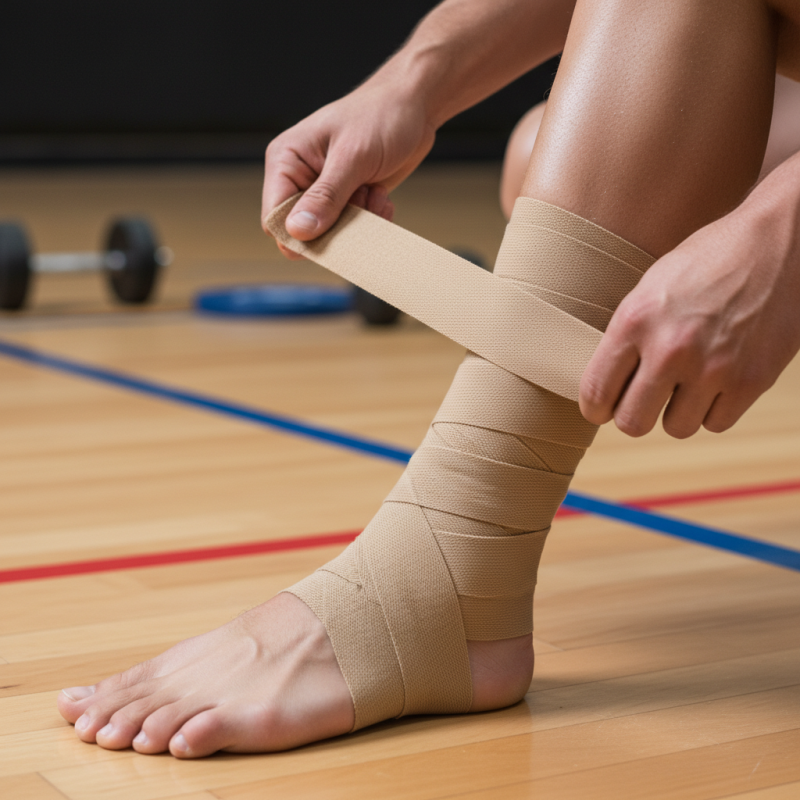
Medical tape plays a vital role in sports injury prevention, offering support and stability to vulnerable areas. Athletes often rely on it to help reduce the risk of injury during high-intensity activities. A recent study indicates that proper tape application can reduce the occurrence of injuries by up to 25% in contact sports. This emphasizes the importance of understanding how to use medical tape effectively.
When applying medical tape, athletes should first clean and dry the skin. This ensures better adhesion and prevents irritation. Consider using a pre-taping spray to enhance the tape's grip. Employ techniques that allow for flexibility, particularly around joints, to encourage movement while providing support. For instance, kinesiology tape can be applied to mimic muscle function.
Tips for effective application include ensuring the tape adheres smoothly to avoid discomfort. Use shorter strips for areas that require less support. Additionally, athletes should test the tape during practice to adjust to its feel before competitive events. Regular feedback from coaches or physiotherapists can help in refining the taping technique for optimal results.
When it comes to athletic activities, choosing the right type of medical tape can make a significant difference. There are several options available, each catering to specific needs.
Kinesiology tape is one popular choice. It allows for flexibility while providing support to muscles and joints. Athletes often use it to enhance performance and aid in recovery.
Rigid athletic tape is another effective option. It is used to immobilize joints and prevent further injury. This type of tape offers excellent stability and is commonly applied to ankles and wrists. Although it provides strong support, it can restrict movement. Athletes must balance the need for support with the desire for mobility.
Self-adhesive foam tape can also be beneficial. It is gentler on the skin and is often used for minor injuries. This tape allows skin to breathe and reduces the risk of irritation. Each tape has its strengths and weaknesses. Athletes should consider their specific needs and how each type may serve them. Remember, trial and error can help in finding the right tape. It’s essential to assess how your body responds to each option.
Applying medical tape can effectively support muscles and joints during sports activities. To start, clean the skin area thoroughly. Any dirt or oil can reduce tape adhesion. Ensure the skin is dry before application.
Next, cut the tape to the desired length. The tape should comfortably cover the support area without excessive tension. Remember, applying too tightly can restrict movement. Start wrapping the tape from the base of the joint or muscle and proceed upward. This technique helps to provide better support.
Make sure to leave some space for movement. After applying, check for circulation. The skin should look normal and feel comfortable. If you notice any swelling or discomfort, remove the tape immediately. Adjust your technique as necessary. Learning how to use medical tape takes time and practice.
| Step | Action | Tips | Common Uses |
|---|---|---|---|
| 1 | Clean the area | Use soap and water or antiseptic wipes | Pre-taping preparation |
| 2 | Measure the tape | Cut tape based on the area needing support | Joint support, muscle wrap |
| 3 | Apply the tape | Start from the base and wrap upwards | Ankle, wrist, knees |
| 4 | Secure the ends | Ensure it adheres well without being too tight | Prevent movement, provide stability |
| 5 | Check comfort | Adjust if it feels too restrictive | Pre-game preparation |
Taping specific muscle groups can significantly aid in injury prevention during sports. Proper technique is crucial for effective support. For instance, when taping the ankle, start with the foot in a neutral position. Wrap the tape around the narrowest part of the ankle first. Make sure to create a figure-eight pattern. This method stabilizes the joint without restricting movement.
When addressing knee support, apply tape from the top of the thigh, sweeping down to below the kneecap. Keep the tape taut but not overly tight. This helps to alleviate pressure on the joints while providing necessary stability. Be aware that taping should feel supportive, not painful.
Remember, preparation is key. Clean and dry the skin before taping for optimal adhesion. Experiment with different techniques to find what works best for you. Not everyone responds the same way to taping. Listen to your body and adjust accordingly. Taping can be a valuable tool, but it’s not a substitute for proper training and conditioning.
When using medical tape for sports injuries, knowing how to remove and care for it is essential. Proper removal minimizes skin irritation and ensures efficient healing. Start by gently peeling back the tape from one edge. Pull it slowly to avoid unnecessary pain. If the tape clings to the skin, use a bit of baby oil or medical adhesive remover. This can help the tape slide off smoothly, reducing stress on the skin.
After removing the tape, inspect the skin beneath. Look for any signs of irritation or injury. Caring for your skin is just as important as preventing injuries. Clean the area with mild soap and water, then pat it dry. If necessary, apply an aloe vera gel to soothe any irritation. Avoid reusing tape or applying new tape immediately; let your skin breathe. This practice not only aids in recovery but also prepares your skin for future use.
Mindfulness is needed when using medical tape consistently. Some athletes may not realize tape can cause allergic reactions. It’s good to check for any discomfort or rash with each use. Stay aware of your body's responses and adjust your practices accordingly.
: Medical tape provides support and stability to vulnerable areas, reducing injury risk during high-intensity activities.
Clean and dry the skin before applying tape. Consider using a pre-taping spray for enhanced grip.
Use flexible techniques around joints to allow movement. Kinesiology tape can mimic muscle function for better support.
Use shorter strips for areas needing less support. Always test the tape during practice for comfort and ease of movement.
Gently peel back the tape from one edge. If it clings, use baby oil to assist with removal and minimize pain.
Clean the area with mild soap, pat it dry, and consider applying aloe vera gel to soothe any irritation.
Be aware of any discomfort or rash. Some may experience allergic reactions. Listen to your body and adjust use accordingly.
Yes, applying tape too tightly can restrict movement and circulation. Ensure comfort with enough space for movement.
Regular practice is necessary. Feedback from coaches can help refine techniques for optimal support and injury prevention.
No, avoid reusing tape. Let your skin breathe to promote recovery and prepare for future applications.
When considering how to use medical tape for sports injury prevention, it’s essential to understand its role in providing support and stability to muscles and joints during athletic activities. Different types of medical tape, including kinesiology tape and elastic adhesive bandages, can be suitable for various sports applications.
To effectively apply medical tape, follow a step-by-step guide that emphasizes securing key muscle groups to prevent strains and injuries. Learning common techniques for taping specific areas—like the ankle, knee, or shoulder—can enhance performance and reduce the risk of severe injury. Finally, adopting best practices for removing the tape and caring for the skin afterward is important to maintain optimal health and readiness for future activities. Overall, mastering how to use medical tape is a valuable skill for athletes wishing to enhance their performance while minimizing injury risks.

Nexus Medical