In the field of healthcare, the ability to calculate drip rates for manual infusion sets is essential. A precise drip rate ensures that patients receive the correct dosage of medication, which can significantly impact their recovery. Medical professionals must have a solid understanding of how to calculate drip rates for manual infusion sets. This knowledge not only enhances patient safety but also reflects a standard of care expected in clinical settings.
Mistakes in drip rate calculations can lead to serious complications. For example, an overly rapid infusion could cause fluid overload, while a slow rate might result in inadequate treatment. Thus, understanding the underlying principles and formulas can empower practitioners. It also helps build confidence in making critical decisions during emergencies.
Learning how to calculate these rates is not just about numbers. It requires attention to detail and practical experience. An occasional miscalculation can offer valuable lessons for improvement. Healthcare providers are always encouraged to reassess their methods. This self-reflection fosters better practices and ultimately leads to enhanced patient outcomes.
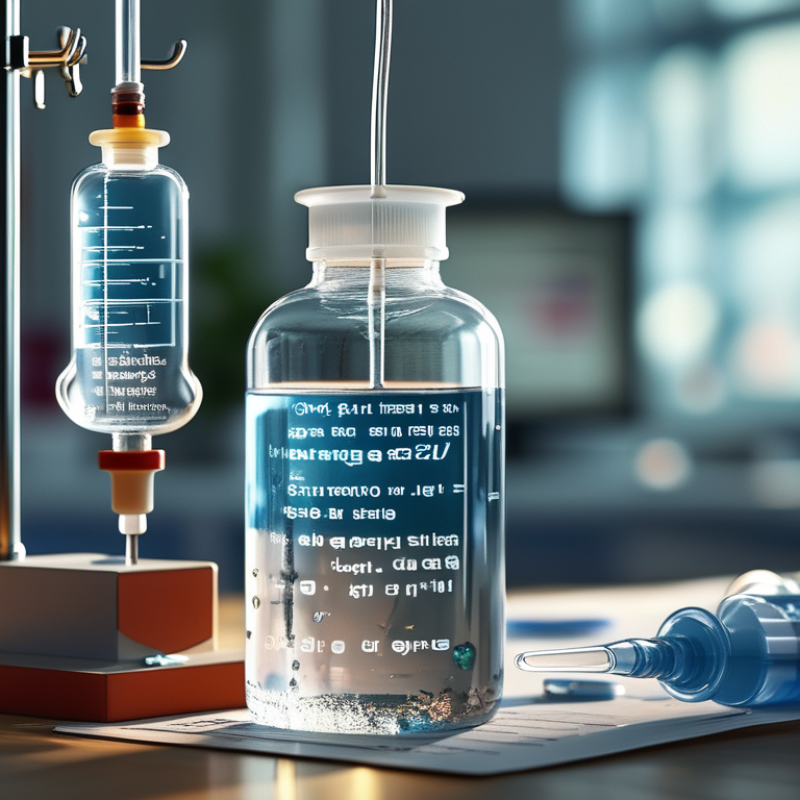
Understanding drip rates is critical in medical settings. Accurate calculations can significantly affect patient outcomes. For instance, delivering the wrong flow rate can lead to underdosing or overdosing a patient, which can be dangerous. Nurses and medical staff must quickly adjust rates based on a patient’s condition. Relying on automated systems alone may lead to errors if staff lack fundamental knowledge.
In emergency situations, knowing how to calculate drip rates is vital. Time is always of the essence. A healthcare provider must assess a patient’s needs swiftly. A small miscalculation could delay treatment. Moreover, in chaotic environments, distractions are common. Being proficient in drip rate calculations helps ensure consistent and safe patient care.
Medical professionals should regularly practice this skill. It’s easily overlooked, especially in modern healthcare, where tools automate many tasks. However, understanding the basics reinforces confidence and competence. Continuous training can enhance proficiency. Reflecting on past errors is essential, as it fosters learning and growth in practice.
Calculating drip rates for infusion is essential in healthcare settings. It ensures that patients receive the correct amount of medication over a specific time. The key components in calculating these rates include the total volume to be infused, the infusion time, and the drop factor of the IV set.
To begin, the total volume refers to the amount of fluid or medication prescribed. Knowing this is crucial. For instance, 1000 mL of saline requires careful monitoring. Next, the infusion time indicates how long the fluid should be administered. A shorter time means a faster drip rate.
The drop factor, indicated in gtt/mL, varies between different IV sets. It influences how many drops are needed to achieve the correct volume. For example, a drop factor of 20 gtt/mL will result in a different dripper calculation than a 15 gtt/mL set. Mistakes can occur here, especially without clear concentration on each of these components. Balancing accuracy with the rapid pace of treatment can be challenging, requiring constant attention and reflection on practices.
Calculating drip rates for infusions is an essential skill in healthcare. It ensures that patients receive the right amount of medication or fluids. Knowing how to do this can prevent complications that arise from under- or overdosing. Accurate calculations improve patient care and outcomes.
To calculate drip rates, you need a few pieces of information. First, figure out the total volume of fluid to be infused. Next, know the time frame for the infusion, usually in hours. Finally, identify the drip factor specific to the IV set being used. The formula is simple: Total volume (in mL) divided by time (in hours) gives you the flow rate in mL/hour. Dividing that number by the drip factor provides you with the number of drops per minute.
Mistakes can happen, even for seasoned professionals. A wrong calculation can result in significant patient risk. After calculating, double-check your work. Seek peer reviews to validate your figures. It's a vital reminder that accuracy is crucial in medical settings. Your calculations directly impact patient safety and care quality.
When calculating drip rates for infusions, accuracy is crucial. Common mistakes can result in serious consequences for patient care. A study by the Journal of Infusion Nursing indicates that 30% of healthcare providers miscalculate drip rates. This often occurs due to distractions or the misuse of formulas. Understanding the proper techniques can drastically reduce these errors, leading to better patient outcomes.
One key area where mistakes often happen is in converting units. Healthcare providers may confuse milliliters per hour with drops per minute. This confusion can lead to incorrect flow rates and potentially harmful situations. For instance, the Institute for Safe Medication Practices highlights that even a small deviation in parameter calculation can lead to an incorrect dosage, affecting a patient's recovery trajectory.
Monitoring equipment can also introduce errors. If a hospital's infusion pump malfunctions, the rate can inadvertently increase or decrease. Nurses must regularly check equipment and recalibrate drip rates manually when necessary. Neglecting this process may create a cycle of unsafe administration. Recognizing these pitfalls is essential for maintaining patient safety while administering intravenous therapy.
Understanding drip rates for infusion is vital in healthcare settings. Nurses and technicians must ensure that patients receive precise medication dosages. A small error in calculations can lead to serious consequences. Knowing how to calculate these rates enhances patient safety.
In daily practice, inaccuracies in drip rates can result in under or overdosing. For instance, a patient needing 100 mL of medication over two hours requires attention to detail. Even slight deviations can impact recovery. Professionals must continuously reflect on their methods and improve their math skills. Experience plays a crucial role in gaining confidence for these calculations.
Moreover, situations often arise where tools for checking drip rates may be unavailable. For example, during emergency procedures, medical staff rely on their calculations. A solid understanding of drip rates can save lives in urgent scenarios. Inaccurate calculations can cause complications, forcing practitioners to adapt swiftly. Therefore, mastering these skills is a necessity and should not be taken lightly.
: It ensures patients receive the correct medication amount over time.
Total volume, infusion time, and drop factor are essential.
Total volume measures the amount of fluid prescribed, like 1000 mL of saline.
Infusion time indicates how quickly the fluid should be administered.
Drop factor, in gtt/mL, determines how many drops achieve the correct volume.
Under or overdosing patients can lead to serious consequences.
By continuously reflecting on methods and gaining experience in practice.
Medical staff rely on their skills during emergencies when tools aren't accessible.
It can save lives in urgent situations and reduce complications.
By reviewing past cases and focusing on math skills for better results.
Understanding how to calculate drip rates for manual infusion sets is crucial in medical settings, where accurate medication delivery can significantly affect patient outcomes. The importance lies not only in ensuring the right dosage but also in minimizing the risk of complications associated with improper administration. Key components such as the volume of the infusion, the time for delivery, and the drip factor must be taken into account for precise calculations.
A step-by-step guide to calculating drip rates can help healthcare professionals streamline the process. It's essential to be aware of common mistakes, such as miscalculating the drip factor or overlooking the infusion time, which could lead to ineffective treatment. Real-world applications of accurate drip rate calculations encompass various medical scenarios, reinforcing the necessity for proficiency in this skill to ensure patient safety and therapeutic efficacy.

Nexus Medical