How to Minimize Pain During Subcutaneous Injections 2026?

Time:2026-11-02 Author:Ethan
0%

Subcutaneous injections can feel like a quick sting, a pinch, or a lingering ache. Small details may change the experience: a tense shoulder, cold medication, or skin that is still damp with alcohol. If you are wondering how to minimize pain during subcutaneous injections, start with safe technique—not guesswork. Your medication’s instructions and your healthcare professional’s guidance should shape every step.

This guide will explain practical ways to prepare, choose an approved injection site, and use the device you were prescribed. It will also cover letting cleaned skin dry, following storage directions, and rotating sites when advised. These steps can help, but they cannot guarantee a painless injection. Bodies differ. So do medicines and devices. A trick that helped a friend may not suit you.

Pay attention to what happens afterward. Mild tenderness may occur, but worsening pain, spreading redness, warmth, significant swelling, or other concerning symptoms deserve medical advice. Do not change your dose, needle, or injection method just to make an injection easier. Ask a clinician or pharmacist to review your technique if pain persists or you feel unsure. Even experienced patients can miss a small step; noticing that is useful, not a failure. The aim is a calmer, safer routine, with clear guidance when something feels wrong.
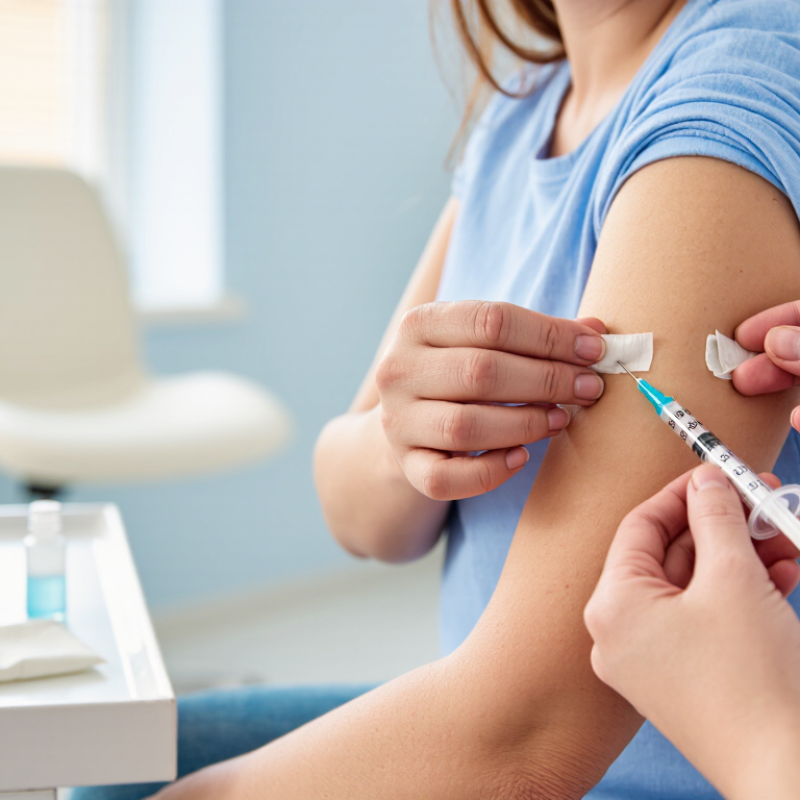
How to Minimize Pain During Subcutaneous Injections 2026?

Check the medicine, device, and site-specific instructions before injecting

How to Minimize Pain During Subcutaneous Injections 2026?

Before injecting, confirm the medicine is meant for subcutaneous use and check its label for storage, preparation, and injection instructions. Match the prescribed dose to the device’s markings, and confirm the needle or pen setup is suitable. The CDC’s Vaccine Administration guidance stresses choosing the route, site, and needle according to the specific product and patient. Medicines differ, so a technique that works for one injection may not suit another. Check the leaflet or ask a pharmacist if anything is unclear.

Site matters. Use only approved areas, and rotate locations when the medicine’s instructions recommend it. Avoid skin that is bruised, tender, scarred, or irritated. If the site needs cleaning, let it dry before injecting. A steady hand helps, but rushing can make a small task feel harder. WHO injection-safety materials have cited an estimate of about 16 billion injections worldwide each year; careful, repeatable checks matter at that scale. It sounds fussy. It isn’t.

Tips: Read the medicine and device instructions each time, especially after a device change. Let refrigerated medicine reach the temperature specified on its label; don’t warm it by guesswork. Keep the skin relaxed, follow the instructed insertion method, and dispose of the needle safely. If pain is severe, persistent, or paired with swelling or a rash, contact a healthcare professional.

How to Minimize Pain During Subcutaneous Injections (2026)

Both 45° and 90° angles are used for subcutaneous injections; the appropriate angle depends on the medicine, needle or device, and factors such as needle length and body build. Follow the product instructions or advice from a healthcare professional. Rotating sites and avoiding skin that is bruised, tender, or hardened may also help reduce discomfort.

Choose a 4-mm insulin pen needle and insert at 90° (FITTER consensus)

A 4-mm insulin pen needle, inserted at 90°, is the FITTER consensus recommendation for most people using pen injections. The 2016 FITTER expert recommendations identify this short needle as a suitable option across age groups and body sizes. It reaches subcutaneous tissue while reducing the chance of injecting into muscle, where insulin absorption can be less predictable. Keep the pen steady against the skin. A calm, direct insertion is usually better than pressing hard.

Clinical evidence supports the practical value of short needles. In a randomized crossover study of 173 adults, Hirsch and colleagues compared 4-mm, 5-mm, and 8-mm pen needles. The 4-mm needle provided comparable glucose control and was rated less painful than the longer needles. Less sting, not no sting. Use a new needle, let alcohol dry fully if you use it, and avoid injecting into bruised or firm skin. Very lean adults and young children may need a lifted skin fold; ask a diabetes clinician to check your technique. I still find injection advice can sound too tidy: individual comfort varies, and a 90° angle may feel awkward at first. Practice with a trained professional can help make the movement steadier.

Rotate insulin injection points at least 1 cm apart (FITTER guidance)

Rotating insulin injection points can reduce repeated tissue irritation and help prevent lipohypertrophy, which may affect insulin absorption. FITTER guidance recommends leaving at least 1 cm between injection points. That small gap matters. Think of a fingertip-width space, not the exact same spot under a different angle.

Use one body region at a time, such as the abdomen, and move across it in a simple pattern. A clock-face layout or small site map can help when days blur together. Keep injections away from lumps, bruises, scars, and sore skin. It is easy to lose track. I might, too. If you use a written record, note the area rather than every tiny detail.

Changing sites does not mean choosing a completely different body region for every dose; absorption can vary between regions. Follow your care team’s instructions on site choice and rotation, and ask them to check your technique if injections remain painful. Letting insulin reach room temperature, if your product instructions allow it, may also improve comfort. Small habits add up. Still, rotation takes attention, and a neat plan can slip on a busy day. Restart the pattern at the next injection rather than repeatedly using one tender spot.

Hold the pen needle in place for 10 seconds after delivery (device guidance)

How to Minimize Pain During Subcutaneous Injections 2026?

A steady hand and relaxed skin can make a subcutaneous injection feel more manageable. For insulin pens, keep the needle in place for 10 seconds after pressing the button, when the device instructions recommend it. This pause helps the full dose enter and may reduce leakage. It is not a guaranteed way to prevent pain. The 2016 FITTER expert recommendations support a 10-second hold for insulin pens; device instructions may differ, so check the directions for your specific device.

Technique matters. FITTER cited a worldwide injection-technique survey involving 13,289 insulin users across 42 countries, highlighting how common technique problems can be. Before injecting, let skin antiseptic dry completely, use a new needle, and avoid pressing hard. Insert smoothly, then keep the pen still during the count. Stay steady. If you feel sharp or increasing pain, stop and ask a healthcare professional to review your technique rather than repeatedly injecting the same area. A small detail can be easy to overlook.

Tips: Count slowly to ten after delivery, without twisting or lifting the pen. Rotate injection sites as advised by your care team, and follow your device’s instructions if they specify a different hold time.

Record pain and site reactions; report severe or persistent symptoms

A small log can make injection reactions easier to describe. After each dose, note the date, time, injection site, and pain level from zero to ten. Record what you can see: redness, swelling, bruising, itching, or a firm area. A coin beside the redness can help show its size in a photo. Note when symptoms began and whether they faded, stayed the same, or worsened. Keep the record private and bring it to your healthcare professional if you have questions.

A little soreness or a small bruise may occur, but your own pattern matters. Compare each reaction with earlier entries, rather than relying on memory alone. Be specific: “warm patch, about two centimeters, still tender the next morning” is more useful than “bad reaction.” The log is not a diagnosis, and measurements can be imperfect. That is worth remembering.

Contact your healthcare professional about severe pain, reactions that persist or worsen, or redness and swelling that spread. Report warmth, drainage, or fever promptly, too. Seek emergency care for trouble breathing, facial or throat swelling, or faintness after an injection. Follow the injection instructions you were given, and do not change your dose or schedule without medical guidance.

FAQS

How far apart should insulin injection points be?

Keep each point at least 1 cm from the previous one. About a fingertip’s width. Avoid using the exact same spot.

How can I organize site rotation?

Use one body region at a time, such as your abdomen. Move across it with a simple pattern or small site map. Busy days can disrupt the plan.

Which areas should I avoid?

Avoid lumps, bruises, scars, and sore skin. Ask your care team to review site choices if you are unsure.

How long should I keep an insulin pen needle in place?

If your device instructions recommend it, leave the needle in place for 10 seconds after pressing the button. Count slowly. Device directions may differ.

What can make an injection feel more manageable?

Let skin antiseptic dry completely, use a new needle, and avoid pressing hard. Insert smoothly and keep the pen steady. Small details are easy to miss.

What should I record after an injection?

Note the date, time, site, and pain level from zero to ten. Record redness, swelling, bruising, itching, or firm areas. A coin in a photo can show the area’s size.

When should I contact a healthcare professional about a reaction?

Ask for advice about severe pain, symptoms that persist or worsen, or spreading redness and swelling. Report warmth, drainage, or fever promptly.

When is emergency care needed?

Seek emergency care for trouble breathing, facial or throat swelling, or faintness after an injection. Do not change your dose or schedule without medical guidance.

Conclusion

Learning how to minimize pain during subcutaneous injections starts with following the instructions for the specific medicine, device, and injection site. For insulin injections, a 4-mm pen needle inserted at a 90-degree angle is commonly recommended in FITTER guidance, though individual instructions may differ. Rotate injection points and keep them at least 1 cm apart to reduce repeated irritation in the same area. Use a new site as directed and avoid areas that are sore, damaged, or otherwise unsuitable.

After delivering the dose, keep the pen needle in place for 10 seconds, or follow the device’s instructions, to help ensure the full dose is delivered. Record any pain or site reactions so you can notice patterns and discuss them with a healthcare professional. Seek advice if symptoms are severe, persist, or cause concern.

Ethan

Ethan

Ethan is a seasoned marketing professional with a deep expertise in our company's innovative product line. With a passion for sharing knowledge and insights, he takes the lead in regularly updating our corporate blog, where he explores industry trends, product features, and effective marketing......