Infusion sets are vital in patient care, delivering medications and nutrients effectively. However, the exposure of certain components to light can lead to adverse reactions. This raises the question: why are some infusion sets designed to be light-proof? The primary reason is to enhance safety and efficacy. Light can degrade medications, impacting their potency.
Light-proof infusion sets minimize this risk. They prevent harmful degradation, ensuring that patients receive effective treatment. Medical professionals recognize the importance of these designs in maintaining medication integrity. They rely on light-proof options to protect vulnerable patients.
In addition, light-proof sets foster a sense of security. Patients and caregivers alike find peace of mind when using these specialized tools. Despite advancements, discussions around best practices remain essential. Ongoing research might reveal even more about the dynamics of light exposure. Thus, exploring the significance of light-proof infusion sets is crucial for patient safety.
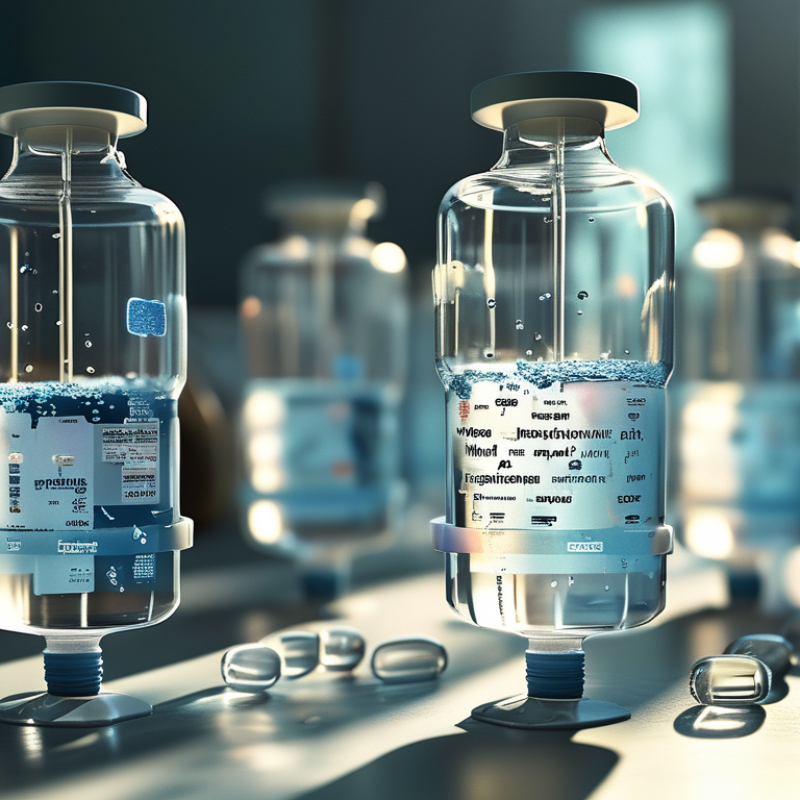
Light-proof infusion sets are increasingly important in medical settings. These sets are designed to protect light-sensitive medications from degradation caused by exposure to light. This degradation can lead to a loss of drug efficacy, which can adversely affect patient outcomes. Healthcare professionals understand the importance of delivering treatments that maintain their integrity.
Using light-proof infusion sets provides several advantages. They often feature materials specifically engineered to block harmful wavelengths. This ensures that the therapeutic properties of the medication remain intact while reducing potential side effects. The construction of these sets is crucial for maintaining the safety of intravenous therapies. However, there is still room for improvement in ensuring consistent quality across different manufacturers.
Though the benefits are clear, challenges in implementation exist. Not all staff may be trained in the importance of using light-proof sets. Additionally, the cost associated with these specialty products can be a barrier for some facilities. Regular evaluation and education may be needed to create awareness. Enhancing our understanding of these essential tools can lead to better patient care overall.
| Feature | Description | Safety Benefits |
|---|---|---|
| Light-Proof Material | Designed to block out light to prevent photolytic degradation of medications. | Ensures medication potency remains intact, reducing risk of ineffective treatment. |
| Sterility | Manufactured in a sterile environment to maintain aseptic conditions. | Minimizes the risk of infection during IV therapy. |
| User-Friendly Design | Ergonomic design for easy handling and administration. | Reduces the likelihood of user errors during infusion. |
| Long Shelf Life | Durable materials that resist degradation over time. | Allows for better inventory management and less waste. |
| Compatibility | Fits a wide range of standard IV stands and infusion pumps. | Enhances versatility in diverse clinical settings. |
: Infusion therapy delivers medication through intravenous methods. It is essential for many patients.
Safety is crucial because non-compliance can lead to serious incidents. Over half of related issues stem from this.
They protect medications from light exposure. This prevents degradation, keeping treatments effective and safe.
Research shows that nearly 25% of adverse events might be avoidable with better safety practices.
Ensure the specific medication needs protection from light. This helps maintain its effectiveness.
Regular inspections are necessary. Look for signs of wear or lack of protection.
They can lose potency. This could lead to ineffective treatment for patients.
Knowledge improves safety protocols and supports effective medication administration.
Human error remains a persistent challenge, highlighting the need for ongoing improvements.
Yes, it can reduce risks and enhance overall infusion safety.
Light-proof infusion sets are specifically designed to enhance the safety of infusion therapy by minimizing light exposure, which can degrade sensitive medications and compromise patient treatment. Understanding why are some infusion sets designed to be light-proof is essential, as they help to prevent potential risks associated with light-sensitive compounds, thereby ensuring effective therapeutic outcomes.
The article discusses the critical importance of safety in infusion therapy and compares light-proof infusion sets with standard options, highlighting the significant benefits of reduced light exposure. Best practices for selecting and using these specialized sets are also outlined, emphasizing their role in preventing medication degradation and ensuring patient safety during treatment. By choosing light-proof infusion sets, healthcare providers can significantly enhance the reliability and efficacy of infusion therapies.

 Nexus Medical