Choosing a bandage for a moving knee, elbow, wrist, or ankle requires more than matching a product label to a body part. During flexion, skin stretches, sweat builds, and adhesive edges can lift against clothing. A secure dressing must protect the wound without restricting normal movement or circulation.
The National Safety Council reported millions of sports and recreation injuries requiring emergency treatment in the United States in 2022. Many involved joints exposed to repeated bending, friction, or impact. Wounds International guidance also emphasizes appropriate dressing selection, moisture balance, skin protection, and regular reassessment. These principles matter when deciding how to select the best bandage for high-mobility joints. A waterproof film may suit a small, clean abrasion, while a non-adherent pad with a flexible retention wrap may better protect light exudate. For sensitive skin, silicone contact layers can reduce traumatic removal. For sweaty ankles or knees, breathable materials and reliable edge fixation deserve attention.
Fit matters more than appearance. Too tight is dangerous. Numbness, tingling, pale skin, increasing pain, or cool fingers and toes require immediate removal and assessment. The CDC recommends professional evaluation for deep wounds, uncontrolled bleeding, animal bites, infection signs, or wounds affecting function. A bandage that survives a workout may still fail overnight. I have found that movement testing is useful: bend the joint, walk several steps, and check whether the dressing wrinkles, slips, or pulls the skin. No product works perfectly for every person. Skin type, wound depth, activity level, and climate can change the decision. When uncertainty remains, a qualified clinician should guide selection.
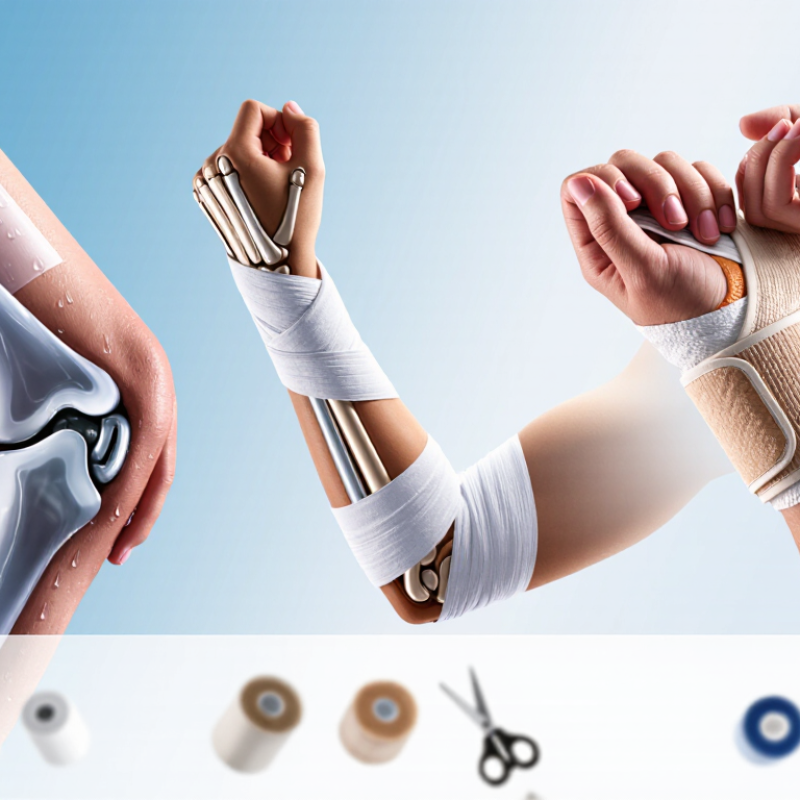
2026 How to Choose Bandages for High Mobility Joints?
High-mobility joints move through several angles during ordinary activities. Shoulders rotate, knees bend repeatedly, and ankles absorb changing pressure. These movements can pull a rigid bandage away from the skin. They may also create friction around the wound. A suitable bandage should flex without losing contact. It should also allow air circulation and manage light moisture. For a shallow scrape, a low-profile adhesive dressing may work well. For a larger area, a flexible wrap can provide gentle coverage. The material should never restrict circulation or joint movement.
Tips: Check the joint after ten minutes. Look for looseness, redness, numbness, or swelling. Replace the dressing when it becomes wet or dirty. Clean the skin gently before applying it, unless a clinician gives different instructions. Avoid wrapping tightly over the knee or ankle. That mistake is common. I have found that comfort is not a minor detail; discomfort often causes people to remove protection too early.
Movement demands should guide the choice more than appearance. A shoulder dressing needs secure edges because the skin stretches in multiple directions. A knee dressing needs flexibility during sitting and walking. An ankle dressing must tolerate socks, sweat, and repeated bending. No option performs perfectly in every situation. If the wound is deep, heavily bleeding, increasingly painful, or showing infection signs, seek professional medical care promptly.
A practical, movement-based comparison of bandage features for commonly injured high-mobility joints.
| Joint / Area | Movement Demands | Typical Bandage Challenges | Recommended Bandage Characteristics | Useful Formats | Selection Priority |
|---|---|---|---|---|---|
| Shoulder | Moves through flexion, extension, abduction, adduction, and internal and external rotation. The arm frequently changes direction and position. | Dressings may lift at the shoulder contour or restrict arm elevation. Perspiration and friction can reduce adhesion. | Flexible, lightweight, breathable materials with rounded edges and a secure but low-profile fixation method. | Flexible adhesive dressing for superficial wounds; non-adhesive pad with a suitable retention method when the skin is sensitive. | Freedom of movement and secure edge fixation. |
| Elbow | Primarily flexes and extends, with forearm rotation occurring through the nearby radioulnar joints. | Repeated bending can create creases, edge lifting, pressure over the bony point, and pulling across the wound. | Conformable construction, flexible edges, a non-adherent wound-contact layer, and enough absorbency for the expected exudate. | Joint-shaped adhesive dressing or a sterile pad secured with a flexible retention wrap. | Flexibility at the crease and protection from shear. |
| Wrist | Combines flexion, extension, radial deviation, and ulnar deviation. Hand use produces frequent repetitive loading. | A bulky dressing can interfere with gripping. Movement and hand perspiration may loosen poorly secured edges. | Thin, flexible, breathable, and easy to position without covering more skin than necessary. | Low-profile adhesive dressing or a small sterile pad with flexible retention. | Minimal bulk and reliable adhesion during hand activity. |
| Thumb | The thumb has complex movement, including flexion, extension, abduction, adduction, and opposition. | Bandages can impair pinch and grasp, loosen around the web space, or rub against adjacent fingers. | Small, conformable, breathable, and shaped to protect the wound while leaving the thumb joints and web space functional. | Finger or thumb-sized adhesive dressing; sterile non-adherent pad for larger superficial areas. | Preserving pinch, opposition, and fingertip sensation. |
| Knee | Primarily performs flexion and extension, with limited rotation that varies with knee position. Walking, squatting, and stair use create repeated bending. | Dressing edges may crease behind the knee, detach with sweat, or become uncomfortable during deep flexion. | Stretchable, tear-resistant, breathable material with a flexible hinge area and an absorbent pad sized to the wound. | Large flexible adhesive dressing or non-adhesive sterile pad with a secure retention layer. | Resistance to creasing and secure fixation during bending. |
| Ankle | Performs dorsiflexion and plantarflexion, with inversion and eversion contributing to balance and uneven-surface movement. | Footwear, walking friction, sweat, and repeated ankle motion can cause edge lifting or rubbing. | Flexible and sweat-tolerant materials, secure edges, low profile, and adequate cushioning over prominent areas. | Flexible ankle dressing, sterile pad with retention wrap, or a dressing designed to fit around the ankle contour. | Securement under friction and compatibility with footwear. |
| Finger Joints | Interphalangeal joints repeatedly flex and extend during typing, gripping, lifting, and fine motor tasks. | Excess material can limit joint motion, interfere with neighboring fingers, or reduce tactile feedback. | Very low profile, flexible, breathable, and sized to avoid covering the whole finger unless necessary. | Small adhesive dressing, fingertip dressing, or a sterile pad secured without excessive wrapping. | Dexterity, fingertip sensation, and freedom from neighboring-finger friction. |
Shoulders, knees, and ankles change angles often. A rigid dressing may lift, rub, or create gaps. Flexible material maintains contact during movement.
A low-profile adhesive dressing may suit a small scrape. Choose flexible edges and clean, dry skin. Check it after ten minutes.
It should extend slightly above and below the joint. Leave enough overlap to prevent gaps. Not too tight.
Watch for numbness, tingling, swelling, pale skin, cold toes, or deep grooves. Remove or rewrap it if these signs appear. Check circulation often.
Elastic fabric supports movement and light activity. Cotton blends feel soft but may loosen when damp. Breathable synthetic fibers often dry faster.
Secure edges matter because shoulder skin stretches in several directions. The dressing should stay flat without limiting arm movement. Recheck loose corners.
Rigid tape offers stronger stability but may restrict natural motion. It can also irritate sensitive skin. Use flexibility when movement is important.
Replace it when wet, dirty, loose, or uncomfortable. Gently clean the skin before applying another dressing, unless medical advice differs.
Remove it before sleeping unless a qualified clinician advises otherwise. Tight wraps can trap heat and moisture. I once underestimated that problem.
Seek prompt care for deep wounds, heavy bleeding, increasing pain, or infection signs. Persistent swelling or color changes also need assessment. Don’t rely on wrapping alone.
High-mobility joints, such as the knees, elbows, ankles, and wrists, require bandages that can move with the body while providing reliable support. This guide explains how to select the best bandage for high-mobility joints by considering the joint’s movement patterns, daily activities, and level of support needed. Important features include flexibility, secure fastening, breathable materials, moisture control, and a comfortable fit that does not restrict circulation. Different bandage types may offer varying combinations of compression, stability, and freedom of movement, so the best choice depends on the user’s specific needs.
The guide also covers how to choose the correct size, material, and compression level for effective support without excessive pressure. Proper application is equally important: the bandage should be adjusted smoothly, checked regularly for discomfort or numbness, and replaced when it becomes stretched, damaged, or difficult to secure. With careful selection and safe use, a suitable bandage can support active joints while maintaining comfort and mobility.

 Nexus Medical